| In addition to the vitamins and minerals mentioned, this food contains vitamin b6 (pantothenic acid) and Vitamin K. It is a nourishing and body-building food, and is the principal food of the mass of the population of such Asiatic countries as China and India. It is reported as beneficial for stomach or intestinal ulcers and for the relief of diarrhea. Because of the mineral content, it is said to supply important nutrients for the hair, teeth, nails, muscles and bones.
Preparation: Rice can be prepared in a variety of interesting ways. |
| Another important factor in the prevention of tooth decay is vitamin b6. This vitamin, also known as pyridoxine, has a soothing or sedative effect on the nerves and so it is of great value to people who wish to avoid nervousness. This vitamin is of great value in maintaining the tone of the muscles, and of course the heart is a muscle and is immediately affected by a deficiency in this vitamin. It is also of value in maintaining a normal blood count with an ample supply of hemoglobin, the coloring substance of the red blood corpuscles. |
| A shortage of vitamin b6 has also been associated with calcium-oxalate stone formation. It has been suggested that no healthful food should be avoided but emphasis placed on complete protein and mineral balances, and to avoid deficiencies of any of the important nutrients.
Results of deficiency. Little is known about the results of deficiency of oxalic acid. Rather, in view of the history of stone formation attributed to this acid, the emphasis seems to be to learn how to avoid an excessive amount. |
Larry Trivieri, Jr.
See book keywords and concepts |
 If you take melatonin tablets that also contain vitamin b6, you may find yourself more "hyper" than sleepy at night. This is because Bb tends to raise metabolism in certain individuals. Also, people with altered cir-cadian cycles may require special timing of melatonin supplements. If you have been taking melatonin for an extended period of time, it is best to taper off incrementally over a period of one to two weeks to avoid withdrawal symptoms. If you take melatonin tablets that also contain vitamin b6, you may find yourself more "hyper" than sleepy at night. This is because Bb tends to raise metabolism in certain individuals. Also, people with altered cir-cadian cycles may require special timing of melatonin supplements. If you have been taking melatonin for an extended period of time, it is best to taper off incrementally over a period of one to two weeks to avoid withdrawal symptoms. |
Elizabeth Somer, M.A., R.D.
See book keywords and concepts |
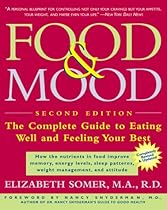 Supplementing with vitamin b6 also improves symptoms of autism in some people. Granted, not all serious psychological disorders are so easily rreated; however, increasing your intake of folic acid to 400 to 800 micrograms in conjunction with optimal intake of vitamins B6 (2 to 25 milligrams daily) and B12 (2.4 to 10 micrograms daily), is safe and porentially helpful in the prevention and treatment of some mental disorders. (See Table 8.4, "Smart Foods and Snacks," on page 209-)
Table 8. Supplementing with vitamin b6 also improves symptoms of autism in some people. Granted, not all serious psychological disorders are so easily rreated; however, increasing your intake of folic acid to 400 to 800 micrograms in conjunction with optimal intake of vitamins B6 (2 to 25 milligrams daily) and B12 (2.4 to 10 micrograms daily), is safe and porentially helpful in the prevention and treatment of some mental disorders. (See Table 8.4, "Smart Foods and Snacks," on page 209-)
Table 8. |
Larry Trivieri, Jr.
See book keywords and concepts |
| Numerous studies have found insufficient levels of vitamin b6 (pyridoxine) in many elderly Americans. Pyridoxine supports the digestive, immune, and nervous systems, and normal brain function.
Vitamin B12 (cyanocobalamin) supports the formation and maintenance of the covering of the nerves (myelin sheath). It is involved in the formation of the neurotransmitter acetylcholine. Folic acid is important during the aging process because it provides nourishment for the brain. Folic acid supports the production of energy and the production of blood cells. |
| Magnesium is employed because the body cannot effectively use vitamin b6 without adequate magnesium. According to Dr. Rimland, some studies show not only behavioral improvement, but also normalization of brain waves and metabolism. He adds that this approach is far safer, more rational, and more helpful than the use of any drug. A magnesium deficiency has been shown to cause hearing hypersensitivity and hyperirritability, both associated with autism.19 Dr. Rimland also recommends the supplementation of zinc, as well as the other B vitamins, in his program. |
| Birdsall recommends vitamin b6 and sage as natural remedies used to suppress lactation (the production of milk), if desired. Cabbage leaves are wonderful for taking the heat out of engorged breasts. A couple of leaves can be torn off and placed under the bra. The leaves are removed and discarded when they become warm and replaced with new ones.
If a woman is not nursing, menstruation resumes in one to two months. A breast-feeding mother can expect her period to begin in several months to a year or two after the birth, depending on how long she continues to nurse. |
| Studies in Japan have shown that daily supplements of coenzyme Q10, vitamin b6, and iron returned some Alzheimer's patients to "normal" mental capacity.19 In another study, Alzheimer's patients who took a daily regimen of evening primrose oil, zinc, and selenium showed significant improvement in alertness, mood, and mental ability.20 The following "neu-ronutrients" are specific vitamins, minerals, fatty acids, and trace elements essential to brain function. |
Doug Dollemore, Mark Giuliucci and the Editors of Men's Health Magazine
See book keywords and concepts |
 Other good dietary sources are chicken, fish, liver, rice, avocados, walnuts, wheat germ and sunflower seeds. vitamin b6 can be toxic in very large doses (1,000 to 2,000 milligrams per day), Dr. Blumberg says.
Supercharge with C. From keeping viruses from multiplying to stimulating tumor-attacking cells, vitamin C gives almost every part of the immune system a boost, Dr. Blumberg says. Fruits and vegetables like oranges, strawberries, broccoli and red bell peppers are good sources of this nutrient. It appears that optimal dosages range from 500 to 1,000 milligrams a day, says Dr. Blumberg. Other good dietary sources are chicken, fish, liver, rice, avocados, walnuts, wheat germ and sunflower seeds. vitamin b6 can be toxic in very large doses (1,000 to 2,000 milligrams per day), Dr. Blumberg says.
Supercharge with C. From keeping viruses from multiplying to stimulating tumor-attacking cells, vitamin C gives almost every part of the immune system a boost, Dr. Blumberg says. Fruits and vegetables like oranges, strawberries, broccoli and red bell peppers are good sources of this nutrient. It appears that optimal dosages range from 500 to 1,000 milligrams a day, says Dr. Blumberg. |
Sheldon Saul Hendler
See book keywords and concepts |
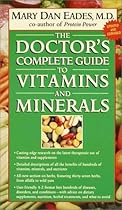 These conditions include: the use of megadose nicotinic acid to lower blood cholesterol levels; the treatment of certain skin disorders with vitamin A and synthetic vitamin A derivatives; the use of vitamin b6 to prevent seizures if one takes an overdose of INH, a drug used for the treatment of tuberculosis.
Evidence is gradually accumulating that even well-fed individuals can profit—in terms of optimizing health—by taking vitamin supplements in prudent amounts. In addition to their role in metabolism, certain vitamins are antioxidants and as such protect tissues against toxic oxygen damage. These conditions include: the use of megadose nicotinic acid to lower blood cholesterol levels; the treatment of certain skin disorders with vitamin A and synthetic vitamin A derivatives; the use of vitamin b6 to prevent seizures if one takes an overdose of INH, a drug used for the treatment of tuberculosis.
Evidence is gradually accumulating that even well-fed individuals can profit—in terms of optimizing health—by taking vitamin supplements in prudent amounts. In addition to their role in metabolism, certain vitamins are antioxidants and as such protect tissues against toxic oxygen damage. |
William Evans, Ph.D., and Irwin H. Rosenberg, M.D., with Jacqueline Thompson
See book keywords and concepts |
 In light of these findings and with more research, we may come to the conclusion that the current vitamin b6 and vitamin B12 Recommended Dietary Allowances for the elderly should be higher. No, we do not think that the maintenance of vitamin B in the elderly means that all memory loss, Alzheimer's disease, and senile dementia has a nutritional cause and can be corrected by that means. We do think it means we may one day be able to prevent a small percentage of such ailments through changes in dietary habits and nutritional status. In light of these findings and with more research, we may come to the conclusion that the current vitamin b6 and vitamin B12 Recommended Dietary Allowances for the elderly should be higher. No, we do not think that the maintenance of vitamin B in the elderly means that all memory loss, Alzheimer's disease, and senile dementia has a nutritional cause and can be corrected by that means. We do think it means we may one day be able to prevent a small percentage of such ailments through changes in dietary habits and nutritional status. |
Gary Null, Ph.D.
See book keywords and concepts |
 The administration of 250 mg per day of vitamin b6 and 5 mg of folic acid for six weeks normalized homocysteine metabolism in young patients with arterial occlusive disease. Reductions in the risk of cardiovascular disease in patients with chronic renal insufficiency have been reported following the administration of 5 mg of folic acid per day for an average of fifteen days. Dialysis patients administered 300 mg of pyridoxine and 5 mg of folic acid per day have experienced a reduction in the risk of cardiovascular disease as well. The administration of 250 mg per day of vitamin b6 and 5 mg of folic acid for six weeks normalized homocysteine metabolism in young patients with arterial occlusive disease. Reductions in the risk of cardiovascular disease in patients with chronic renal insufficiency have been reported following the administration of 5 mg of folic acid per day for an average of fifteen days. Dialysis patients administered 300 mg of pyridoxine and 5 mg of folic acid per day have experienced a reduction in the risk of cardiovascular disease as well. |
Daniel B. Mowrey, Ph.D.
See book keywords and concepts |
 Vitamin B1 25-50 mg Vitamin B2 25-50 mg vitamin b6 25-100 mg Vitamin B12 50-100 mg Vitamin C 1,000-3,000 mg Vitamin D 400 I.U. Vitamin E 200-600 I.U. Niacinamide 100 mg Pantothenic Acid 50 mg Biotin
MINERALS
Potassium Zinc
Chromium
Manganese
Calcium/Magnesium
MISCELLANEOUS
Water
Essential Fatty Acids
Complex Carbohydrate
Lecithin
Yeast
Protein
REFERENCES
1. Trease, G.E. & Evans, W.C. Pharmacognosy. 1978. 11th Edition, Bailliere Tindall. London.
2. Lust, J. The Herb Book. 1974. Benedict Lust. Sini Valley, Calit.
3. Josselyn, J. Vitamin B1 25-50 mg Vitamin B2 25-50 mg vitamin b6 25-100 mg Vitamin B12 50-100 mg Vitamin C 1,000-3,000 mg Vitamin D 400 I.U. Vitamin E 200-600 I.U. Niacinamide 100 mg Pantothenic Acid 50 mg Biotin
MINERALS
Potassium Zinc
Chromium
Manganese
Calcium/Magnesium
MISCELLANEOUS
Water
Essential Fatty Acids
Complex Carbohydrate
Lecithin
Yeast
Protein
REFERENCES
1. Trease, G.E. & Evans, W.C. Pharmacognosy. 1978. 11th Edition, Bailliere Tindall. London.
2. Lust, J. The Herb Book. 1974. Benedict Lust. Sini Valley, Calit.
3. Josselyn, J. |
| VITAMINS
Vitamin B Complex Vitamin B1 25-100 mg Vitamin B2 25-100 mg vitamin b6 25-100 mg Vitamin C 2,000-5,000 mg Vitamin E 200-400 I.U.
MINERALS
Potassium
Copper
Magnesium
REFERENCES
1. Li Shih-Chen. Chinese Medicinal Herbs. Georgetown Press, San Francisco. Translated by F. P. Smith and G.A. Stuart, 1973.
2 Ellingwood, F American Materia Medica, Therapeutics and Pharmacognosy. Eclectic Medical Pubs., Portland, Oregon, 1983.
3. Kiangsu, ibid. 556.
4. Opdyke, D.L.J. "Parsley seed oil." Food and Cosmetics Toxicology 13(Suppl.), 897-898, 1975.
5. Kaczmarek, F., Ostrowska, B. |
| Vitamin B Complex Vitamin B1 25-50 mg Vitamin B2 25-50 mg vitamin b6 25-100 mg Vitamin B12 10 meg Vitamin C 1,000-1,500 mg Vitamin D 600 I.U. Vitamin E 400-800 I.U. Pantothenic acid 150-200 mg Choline 1,000 mg Inositol 1,000 mg Niacinamide 50 mg
MINERALS
Calcium/Magnesium
Phosphorous
Manganese
Potassium
Sodium
MISCELLANEOUS
Bee Pollen
Liver
HCI
REFERENCES
1. Erschoff, B.H. & Bajwa, G.S. "Physiological effects of dietary clay supplements." Final report on contract number NAS 9-3905, 1965, available from NASA Manned Spacecraft Center, Houston, TX.
2. Smith, R.R. |
| Vitamin B Complex Vitamin B12 25 meg Vitamin B1 25-100 mg Vitamin B2 25-100 mg vitamin b6 25-100 mg Vitamin C 1,00-3,000 mg Vitamin D
Vitamin E 200-600 I.U. Bioflavanoids 300-600 mg Niacinamide 100 mg Choline 1,000 mg Inositol 1,000 mg PABA
Pantothenic acid
MINERALS
Iodine Potassium
Calcium/Magnesium
Chromium
Zinc
Phosphorous
MISCELLANEOUS
Essential Fatty Acids
GLA
Lecithin
Brewer's Yeast
REFERENCES
1. Kandziora, J. "Crataegutt-wirkung bei koronaren durchblutung-sstoerungen." Muenchener Medizinischer Wochenschrift, 6,
295-298, 1969.
2. Echte, W. |
| Vitamin B Complex Vitamin B1 25-100 mg Vitamin B2 25-100 mg vitamin b6 25-100 mg Vitamin C 3,000-5,000 mg Vitamin D 400 I.U. Vitamin E 600 I.U. Pantothenic Acid 50 mg Niacinamide 50 mg
MINERALS
Calcium/Magnesium Phosphorous Potassium Sodium
MISCELLANEOUS
Cod Liver Oil Essential Fatty Acid GLA HCI
REFERENCES
1. Kulkarni, S.K., Dandiya, P.C. & Varandani, N.L. "Pharmacological investigations of berberine sulphate." Japanese Journal of Pharmacology, 22, 11-16, 1972
2. Dutta, N.K. & Panse, M.V. "Usefulness of berberine in the treatment of cholera. |
Dr. Joseph M. Kadans, N.D.
See book keywords and concepts |
 In experiments with animals, it has been learned that vitamin b6 is important for proper functioning of the pancreas. If the pancreas sustains damage so that it cannot produce insulin, the hormone necessary for conversion of sugar (glucose) into energy, diabetes may be the result.
Results of deficiency. In experiments with animals, it has been learned that vitamin b6 is important for proper functioning of the pancreas. If the pancreas sustains damage so that it cannot produce insulin, the hormone necessary for conversion of sugar (glucose) into energy, diabetes may be the result.
Results of deficiency. |
Gary Null, Ph.D.
See book keywords and concepts |
| In addition to the conditions already noted, CoQ10 can boost immune response when administered alone or in combination with vitamin b6. The administration of 120 to 150 mg of CoQi0 per day has led to an improvement in abnormal metabolism of pyruvate and NADH oxidation in the skeletal muscle of Kearns-Sayre Syndrome patients. CoQ10 also decreased the concentration of CSF protein and CSF lactate/pyruvate ratio, while improvements were seen in neurologic symptoms and ECG abnormalities as well. Pretreatment with CoQ10 can inhibit liver damage in mice. |
Dr. Gary Null
See book keywords and concepts |
 Imagawa, "Therapy with a Combination of Iron, vitamin b6, and Coenzyme Q10 in the Long Term for Sporadic Alzheimer's Disease," Neurobiology A15 (1994): S101.
Zinc deficiency is linked to Alzheimer's; supplementation with zinc early in the disease may help.
"Zinc Deficiency Tied to Neurofibrillary Tangles in Alzheimer's," Family Practice News 20, no. 20 (October 15-31, 1990): 7.
A study of postmortem brain tissue from 11 Alzheimer's patients and 6 controls linked Alzheimer's to deficiencies in zinc and cesium, and to reduced selenium, which may decrease antioxidant activity.
F. M. Imagawa, "Therapy with a Combination of Iron, vitamin b6, and Coenzyme Q10 in the Long Term for Sporadic Alzheimer's Disease," Neurobiology A15 (1994): S101.
Zinc deficiency is linked to Alzheimer's; supplementation with zinc early in the disease may help.
"Zinc Deficiency Tied to Neurofibrillary Tangles in Alzheimer's," Family Practice News 20, no. 20 (October 15-31, 1990): 7.
A study of postmortem brain tissue from 11 Alzheimer's patients and 6 controls linked Alzheimer's to deficiencies in zinc and cesium, and to reduced selenium, which may decrease antioxidant activity.
F. M. |
Gary Null, Ph.D.
See book keywords and concepts |
| Gestational diabetes can be caused by increased xanthurenic-acid synthesis during pregnancy and vitamin b6 supplementation can normalize the production of xanthurenic-acid by restoring tryptophan metabolism and thus improve oral glucose tolerance in such patients. Pyridoxine and methlyphenidate were more effective than controls in reducing symptoms associated with hyperkinesis in six patients. |
Elizabeth Somer, M.A., R.D.
See book keywords and concepts |
| It could be that marginal intake of one or more of these nutrients, such as magnesium or vitamin b6, could be contributing to low energy and depression. (See pages 158-162 for more on these nutrienrs.)
Caffeine in coffee, tea, and colas, on the other hand, might aggravare depression by lowering serotonin levels. In a study on rats, caffeine was found to raise brain levels of tryprophan, but lower serotonin levels. The researchers concluded that caffeine must decrease rhe conversion of tryptophan to serotonin, thus precipitating depression. |
| When calorie intake is below 2,000 calories, choose a well-balanced, moderate-dose vitamin and mineral supplement that contains 100 percent of the Daily Value for magnesium, zinc, iron, and the B-complex vitamins, and no more than 400 IU of vitamin E.
• vitamin b6 supplementation (50 to 150 mg/day) started on day ten of the menstrual cycle and continued through day three of the next cycle has produced positive results in some women.
• Include physical activity in the daily routine. (Active women are less prone to severe PMS symptoms.)
• Consult a physician if symptoms intensify or persist. |
| Other studies have found no harmful effects from taking vitamin b6 in doses of up to 150 milligrams for short periods of time.
Vitamin E: Some women report less breast tenderness, bloating, and weight gain when they take large doses of supplemental vitamin E. However, other studies have found no significant improvements regardless of vitamin E intake, so supplementation with this vitamin is considered experimental.
Minerals: "The two most promising dietary links with PMS are calcium and magnesium," says James Penland, Ph.D., a research psychologist with the U.S.D.A. |
| Brain levels of a neurotransmitter called dopa increase which, with the help of vitamin b6 and magnesium, is converted to dopamine. numbers of cells. Tyrosine supplements boost dopamine levels in Parkinson's disease patients with degeneration of the nerves that produce dopamine.
A building block for tyrosine, the amino acid phenylalanine, is found in the brain in small amounts. Although its structure resembles that of amphetamines, it is unknown whether phenylalanine can affect behavior or curb appetite. |
| A diet low in vitamin b6 increases rhe risk for developing insomnia, while optimal intake of this vitamin improves sleep. Increased intake of other B vitamins, including folic acid and vitamin B1( also improves sleep in some people. Viramin Bl supplementation, for example, reduced the need for daytime naps, improved sleep patterns, and increased activity levels in eighty healthy seniors studied at the University of California, Davis. |
Gary Null, Ph.D.
See book keywords and concepts |
| Orthomolecular psychiatrists have had striking success in treating schizophrenics with megadoses of niacin (B3), vitamin b6, and vitamin C. Cost of treatment is comparable to that for conventional physicians.
PART 11
-<$?-
TEST1TVI0M1ALS
3
WHAT PARTICIPANTS IN OUR STUDIES ARE SAVING
As I've told you, during the past five years, there have been some five thousand participants—one thousand specifically for this anti-aging project—in the controlled scientific studies that provided the data for the protocol detailed in this book. |
Earl Mindell, R.Ph., Ph.D.
See book keywords and concepts |
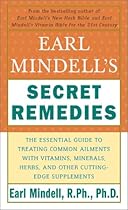 In addition, PMS patients showed lower levels of thiamine, riboflavin, and vitamin b6, a sign that these women should be eating more whole grains and less refined bleached-out bread and cake products.
Minerals
Zinc—At the Baylor College of Medicine in Texas, researchers tested zinc levels of both women with premenstrual syndrome symptoms and those without, and determined that some of the women with PMS had lower zinc levels during the ovulation phase of their monthly cycles. In addition, PMS patients showed lower levels of thiamine, riboflavin, and vitamin b6, a sign that these women should be eating more whole grains and less refined bleached-out bread and cake products.
Minerals
Zinc—At the Baylor College of Medicine in Texas, researchers tested zinc levels of both women with premenstrual syndrome symptoms and those without, and determined that some of the women with PMS had lower zinc levels during the ovulation phase of their monthly cycles. |
G. Edward Griffin
See book keywords and concepts |
 Carlton Fredericks for his support of vitamin b6 and challenged him to produce even one authoritative reference to support its value. Whereupon Dr. Fredericks sent Stare's own report on B6 written years before he had come under the influence of Harvard and foundation money.2
Omar Garrison gives further insight into how this influence came to be decisive:
Perhaps it is without significance that Dr. Stare is a board member of a large can company, and that his department at Harvard has been the recipient of substantial research grants from the food industry. Carlton Fredericks for his support of vitamin b6 and challenged him to produce even one authoritative reference to support its value. Whereupon Dr. Fredericks sent Stare's own report on B6 written years before he had come under the influence of Harvard and foundation money.2
Omar Garrison gives further insight into how this influence came to be decisive:
Perhaps it is without significance that Dr. Stare is a board member of a large can company, and that his department at Harvard has been the recipient of substantial research grants from the food industry. |









 Email this page to a friend