| However, one R, DB, PC study on the Nutralite® product examined the use of a saw palmetto, nettles, lemon bioflavonoid extract, and vitamin a combination and found significant improvement in prostate epithelial contraction without adverse effects. Further studies are needed to confirm the finding. Another trial on the same saw palmetto combination product suggested a significant reduction in prostate tissue DHT levels, as determined by needle biopsy. Four well-designed studies on the fixed combination, PRO 160/120®, ranged from 12 weeks to one year, and found good efficacy and tolerance. |
The Life Extension Editorial Staff
See book keywords and concepts |
 Refet to vitamin a Precautions in Appendix A.)
Note: When taking high doses of niacin or flush-free niacin, have a blood liver enzyme test done within 60 days, at which time the blood should also be tested to ascertain if adequate fibrinogen reduction has occurred.
If the natural fibrinogen-lowering supplements do not work, consider ttying:
• Pentoxiphylline (Trental), 400 mg two times a day. (Ttental is a ptescription drug.)
3. Elevated Homocysteine
If homocysteine levels are above 6.3 micromol/L of blood, try:
• Folic acid, 800-2400 mg a day.
• Vitamin Bi2, 300-1000 meg a day. Refet to vitamin a Precautions in Appendix A.)
Note: When taking high doses of niacin or flush-free niacin, have a blood liver enzyme test done within 60 days, at which time the blood should also be tested to ascertain if adequate fibrinogen reduction has occurred.
If the natural fibrinogen-lowering supplements do not work, consider ttying:
• Pentoxiphylline (Trental), 400 mg two times a day. (Ttental is a ptescription drug.)
3. Elevated Homocysteine
If homocysteine levels are above 6.3 micromol/L of blood, try:
• Folic acid, 800-2400 mg a day.
• Vitamin Bi2, 300-1000 meg a day. |
Michael Castleman
See book keywords and concepts |
 Large doses of vitamin a can cause fatigue, nausea, vomiting, dizziness, and blurred vision. But as Somer notes, you really don't need to take supplemental vitamin a. Instead, take beta-carotene, which your body converts to A on an as-needed basis.
Avoid unnecessary extras. "Even if your diet is less than perfect, you almost certainly get enough biotin, vitamin K, phosphorus, potassium, and sodium," Somer says. "You don't need to take supplements of them." But if your insurance formula contains these nutrients, that's okay, too.
Choose bargains over brands. Large doses of vitamin a can cause fatigue, nausea, vomiting, dizziness, and blurred vision. But as Somer notes, you really don't need to take supplemental vitamin a. Instead, take beta-carotene, which your body converts to A on an as-needed basis.
Avoid unnecessary extras. "Even if your diet is less than perfect, you almost certainly get enough biotin, vitamin K, phosphorus, potassium, and sodium," Somer says. "You don't need to take supplements of them." But if your insurance formula contains these nutrients, that's okay, too.
Choose bargains over brands. |
Mark Blumenthal
See book keywords and concepts |
 One R, DB, PC study on the Nutralite® product examined use of a saw palmetto, nettles, lemon bioflavonoid extract, and vitamin a combination, and found significant improvement in prostate epithelial contraction without adverse effects (Marks et al, 2000). The same combination produced a 32% reduction in dihydrotestosterone levels compared to baseline in six months in prostate tissue extracted via needle biopsy (Marks etal, 2001). One R, DB, PC study on the Nutralite® product examined use of a saw palmetto, nettles, lemon bioflavonoid extract, and vitamin a combination, and found significant improvement in prostate epithelial contraction without adverse effects (Marks et al, 2000). The same combination produced a 32% reduction in dihydrotestosterone levels compared to baseline in six months in prostate tissue extracted via needle biopsy (Marks etal, 2001). |
David Hoffman, FNIMH, AHG
See book keywords and concepts |
 Pizzorno and Murray suggest the following supplements:4
Glucosamine sulfate: 1,500 mg/day Vitamin E: 600 IU/day Vitamin A: 5,000 IU/day Vitamin C: 1 to 3g/day Vitamin B6: 50 mg/day Pantothenic acid: 12.5 mg/day Methionine: 400 mg three times a day Zinc: 45 mg/day Copper: 1 mg/day
Numerous physical aids and supports are available for patients who have become disabled by this disease. A wealth of simple inventions, called activities of daily living (ADL) devices, can help patients manage everyday life tasks. Pizzorno and Murray suggest the following supplements:4
Glucosamine sulfate: 1,500 mg/day Vitamin E: 600 IU/day Vitamin A: 5,000 IU/day Vitamin C: 1 to 3g/day Vitamin B6: 50 mg/day Pantothenic acid: 12.5 mg/day Methionine: 400 mg three times a day Zinc: 45 mg/day Copper: 1 mg/day
Numerous physical aids and supports are available for patients who have become disabled by this disease. A wealth of simple inventions, called activities of daily living (ADL) devices, can help patients manage everyday life tasks. |
Elizabeth Somer, M.A., R.D.
See book keywords and concepts |
 Intakes of calcium, B vitamins, vitamin C, vitamin a, vitamin E, and other essential nutrients are often low in children's diets. Also, eating well during the early years sets the stage for health in the future. For example, calcium intake in childhood is essential to building strong, dense bones resistant to osteoporosis later in life. A moderate-dose multiple vitamin and mineral supplement, plus extra calcium and magnesium, fill in the gaps on those days your child doesn't eat perfectly.
The second supplement to consider is an antioxidant. Intakes of calcium, B vitamins, vitamin C, vitamin a, vitamin E, and other essential nutrients are often low in children's diets. Also, eating well during the early years sets the stage for health in the future. For example, calcium intake in childhood is essential to building strong, dense bones resistant to osteoporosis later in life. A moderate-dose multiple vitamin and mineral supplement, plus extra calcium and magnesium, fill in the gaps on those days your child doesn't eat perfectly.
The second supplement to consider is an antioxidant. |
Elson M. Haas, M.D.
See book keywords and concepts |
 Taking both nutrients ensures proper levels of vitamin a.
5. Vitamin E is an essential antioxidant that defends cell membrane integrity and function, thus helping to protect active enzyme systems within the cells.
6. Zinc (picolinate, as one bioavailable example) is essential to tissue health and repair, enzyme function, the integrity of the cell membrane structure, and cell replication. All of these processes are needed for the function and repair of the GI lining. Research from France indicates that zinc can be unusually effective in healing GI tissue inflammation.
7. Taking both nutrients ensures proper levels of vitamin a.
5. Vitamin E is an essential antioxidant that defends cell membrane integrity and function, thus helping to protect active enzyme systems within the cells.
6. Zinc (picolinate, as one bioavailable example) is essential to tissue health and repair, enzyme function, the integrity of the cell membrane structure, and cell replication. All of these processes are needed for the function and repair of the GI lining. Research from France indicates that zinc can be unusually effective in healing GI tissue inflammation.
7. |
| Vitamin A reduces cancer risk and supports tissue health; beta-carotene may still offer some protection against the problems of smoking when used with other antioxidants.
Smokers need regular vitamin C intake to help neutralize the toxins and compensate for reduced absorption. (Note: Since both vitamin C and niacin are mild acids, they may aggravate any irritations in the gut, and thus may increase ulcer risk as well as nicotine cravings in smokers. If C or niacin is used in higher amounts, added alkaline salts such as the bicarbonates or calcium-magnesium ascorbates may be used. |
| Extra zinc, 30 to 60 mg a day, like vitamin a, helps protect the tissue and mucous membranes and reduces cadmium toxicity and absorption. If higher levels of zinc (over 60 mg daily) are taken, supplement with 3 to 4 mg copper and 5 to 10 mg of manganese.
We need the support of the B vitamins, particularly thiamine (Bx), pyridoxine (B6), and cobalamin (B12). Bi2 is thought to help decrease the cellular damage caused by tars and nicotine. Niacin (B3) helps open up constricted circulation. It also lowers cholesterol, which may reduce the risk of atherosclerosis. |
| Some authorities believe that higher amounts of vitamin a (10,000 IU), mixed carotenoids (25,000 to 50,000 IU), vitamin C (8 to 12 g), selenium (300 to 400 meg), and vitamin E (1,000 to 1,200 IU) are helpful during detoxification to neutralize the free radicals.
The liver is our most important detoxification organ. The B vitamins, especially B3 (niacin) and B6 (pyridoxine), vitamins A and C, zinc, calcium, vitamin E and selenium, and L-cysteine are all also needed to support liver detoxification. |
| Some of the important nutrients for healing the GI tract include the amino acid L-glutamine, pantothenic acid, zinc, vitamin a, antioxidants (such as vitamins C and E, beta-carotene, and selenium), the bioflavonoid quercetin, essential fatty acids, inulin, and fiber (particularly the soluble kind). Herbs such as aloe vera, licorice root, and marshmallow root also have positive healing effects on the mucosal lining of the gastrointestinal tract. These nutrients play a key role in GI mucosal cell differentiation, growth, function, and repair. |
Walter Last
See book keywords and concepts |
 Yellow-orange vegetables and green juice are high in beta-carotene, which some individuals can efficiently convert into vitamin a.
Vitamin D: The common natural form is vitamin D3 or cholecalciferol. Vitamin D2 or ergocalciferol is synthetic and can be toxic in high doses over long periods; I do not recommend it. The RDA is 200 IU; therapeutically up to 4000 IU are used. Yellow-orange vegetables and green juice are high in beta-carotene, which some individuals can efficiently convert into vitamin a.
Vitamin D: The common natural form is vitamin D3 or cholecalciferol. Vitamin D2 or ergocalciferol is synthetic and can be toxic in high doses over long periods; I do not recommend it. The RDA is 200 IU; therapeutically up to 4000 IU are used. |
Paula Begoun
See book keywords and concepts |
 A. It works well as a slightly greasy styling cream for styles that need conditioning with a flexible hold. The fragrance is potent.
© Gloss Over Glossing Wax ($8 for 1.7 ounces) is a water-soluble pomade that maintains a thick, greasy feel that means this will work best for normal to very dry hair that is thick, curly, or coarse. It does not contain holding agents. This is best for smoothing the ends of hair or defining curls, but should be used sparingly.
© Green Tea Fixing Gel ($8 for 3. A. It works well as a slightly greasy styling cream for styles that need conditioning with a flexible hold. The fragrance is potent.
© Gloss Over Glossing Wax ($8 for 1.7 ounces) is a water-soluble pomade that maintains a thick, greasy feel that means this will work best for normal to very dry hair that is thick, curly, or coarse. It does not contain holding agents. This is best for smoothing the ends of hair or defining curls, but should be used sparingly.
© Green Tea Fixing Gel ($8 for 3. |
The Life Extension Editorial Staff
See book keywords and concepts |
| Several small animal studies including a study reported in the October 1998 issue of The Journal of Nutrition suggested that supplemental vitamin a may reduce lung inflammation after thoracic radiation and be an important radioprotective agent in the lung (Redlichet al. 1998).
Researchers have also reported the radioprotective effect of beta-carotene from a study conducted on over 700 children exposed to radiation by the Chernobyl nuclear accident. |
Walter Last
See book keywords and concepts |
| Lecithin and vitamin a and E supplements will be especially good for them and cod-liver oil rubs are beneficial if you suspect fat malabsorption.
Fruits and Vegetables: While vegetables are good for everyone and the more the better (except if sprayed with pesticides), fruits must be treated with caution by those with overacidity and poor blood sugar regulation. Use mainly fruits and vegetables in season that are grown in your region. Include plenty of green leafy vegetables and gradually increase your intake of fresh raw vegetables as in salads. |
Patrick Holford
See book keywords and concepts |
 C and vitamin a heart uses vitamin E for healthy muscle veins are strengthened by vitamin C and bioflavonoids bladder uses vitamins A and C as protection against infection detail of capillary
The respiratory and cardiovascular system.
What is heart disease?
The cardiovascular system consists of blood vessels that carry oxygen, fuel (glucose), building materials (amino acids), vitamins, and minerals to every single cell in your body. The blood is oxygenated when tiny blood vessels, called capillaries, absorb oxygen from the lungs and in turn discharge carbon dioxide, which we then exhale. C and vitamin a heart uses vitamin E for healthy muscle veins are strengthened by vitamin C and bioflavonoids bladder uses vitamins A and C as protection against infection detail of capillary
The respiratory and cardiovascular system.
What is heart disease?
The cardiovascular system consists of blood vessels that carry oxygen, fuel (glucose), building materials (amino acids), vitamins, and minerals to every single cell in your body. The blood is oxygenated when tiny blood vessels, called capillaries, absorb oxygen from the lungs and in turn discharge carbon dioxide, which we then exhale. |
| The main players are vitamins A, C, and E, plus beta-carotene, the precursor of vitamin a that is found in fruit and vegetables. Their presence in your diet and levels in your blood may prove to be the best marker yet of your power to delay death and prevent disease.
What is an antioxidant?
Oxygen is the basis of all plant and animal life. It is our most important nutrient, needed by every cell every second of every day. Without it we cannot release the energy in food that drives all body processes. |
| Some are known essential nutrients, like vitamin a and beta-carotene, and vitamins C and E. Others, like bioflavonoids, anthocyanidins, pyenogenol, and over a hundred other recently identified protectors found in common foods, are not.
The balance between your intake of antioxidants and your exposure to free radicals may be the balance between life and death. You can tip the scales in your favor by making simple changes to your diet and by antioxidant supplementation.
Antioxidants in health and disease
Slowing down the aging process is no longer a mystery. |
| The main essential antioxidant vitamins are A, C, and E and the precursor of vitamin a, beta-carotene. Beta-carotene is found in red/orange/yellow vegetables and fruits. Vitamin C is also abundant in vegetables and fruit eaten raw, but heat rapidly destroys it. Vitamin E is found in "seed" foods, including nuts, seeds and their oils, and vegetables like peas, fava beans, corn, and whole grains—all of which are classified as seed foods. The best all-round foods are shown in the table on the next page. |
Peggy O'Mara
See book keywords and concepts |
 Keusch, MD, of Boston's New England Medical Center, concluded that children benefit from appropriate doses of vitamin a whenever they exhibit a vitamin a deficiency or even the possibility of complications due to measles.35
Two of Caitlin's unvaccinated friends recently came down with measles. Their reactions were mild, a bit like the flu. Now they will have true immunity to measles for the rest of their lives. I am putting my money where their mothers put theirs: on nature's own tried-and-tested immunization program.
Notes
1. Keusch, MD, of Boston's New England Medical Center, concluded that children benefit from appropriate doses of vitamin a whenever they exhibit a vitamin a deficiency or even the possibility of complications due to measles.35
Two of Caitlin's unvaccinated friends recently came down with measles. Their reactions were mild, a bit like the flu. Now they will have true immunity to measles for the rest of their lives. I am putting my money where their mothers put theirs: on nature's own tried-and-tested immunization program.
Notes
1. |
David Hoffman, FNIMH, AHG
See book keywords and concepts |
| P-carotene is the most important of the carotenoid vitamin a precursors. It is used commercially as a yellow food coloring for fats (for example, margarine) and as a sunscreen agent to prevent the photosensitivity reaction of erythropoietic protoporphyria.
Fig. 6.100. p-carotene
Lycopene
Lycopene occurs in the ripe fruits of tomatoes (Lyco-persicon esculentum), Citrus species, persimmon (Diospyros kaki), dog rose (Rosa canina), and numerous other fruits and berries. |
Ray Strand, M.D.
See book keywords and concepts |
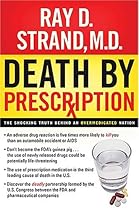 Nutritional Supplementation
Let me clarify an important distinction right away: nutritional supplements such as vitamin a, C, and E are not drugs but natural nutrients we should be getting from our foods. But because of depleted soils, early harvesting, hybrids, added pesticides, and food-storage techniques, our foods no longer provide all the necessary vitamins and minerals. Oxidative stress is the root cause of more than seventy chronic degenerative diseases. Nutritional Supplementation
Let me clarify an important distinction right away: nutritional supplements such as vitamin a, C, and E are not drugs but natural nutrients we should be getting from our foods. But because of depleted soils, early harvesting, hybrids, added pesticides, and food-storage techniques, our foods no longer provide all the necessary vitamins and minerals. Oxidative stress is the root cause of more than seventy chronic degenerative diseases. |
Joe Graedon and Teresa Graedon
See book keywords and concepts |
 Some researchers hypothesize that this precursor to vitamin a may help protect the body against a number of different cancers, and that it may help reduce the risk of heart attack. As a result, there may be millions of people taking it in the hope of warding off heart disease or cancer.
This probably makes good sense. Beta carotene is an excellent antioxidant, and the toxicity of this vitamin building block is very low. It is, for example, far safer than preformed vitamin a, which is stored in the body and can build up to dangerous levels. Some researchers hypothesize that this precursor to vitamin a may help protect the body against a number of different cancers, and that it may help reduce the risk of heart attack. As a result, there may be millions of people taking it in the hope of warding off heart disease or cancer.
This probably makes good sense. Beta carotene is an excellent antioxidant, and the toxicity of this vitamin building block is very low. It is, for example, far safer than preformed vitamin a, which is stored in the body and can build up to dangerous levels. |
Berkeley Holistic Health Center and Shepherd Bliss
See book keywords and concepts |
| Seifter, "Of Stress, vitamin a and Tumors," Science (July 2, 1976), pp. 74-75.
16. E. Bjelke, "Vitamin A and Lung Cancer," International Journal of Cancer 15 (1975), pp. 561-565.
17. A. Morrison and J. Buring, "Artificial Sweetners and Cancer of the Lower Urinary Tract," New England Journal of Medicine (March 6, 1980), pp. 537-541; E. Wynder and S. Stellman, "Artificial Sweet-ner Use and Bladder Cancer," Science (March 14, 1980), pp. 1214-1217.
18. R. Hoover, "Saccharin—Bitter Aftertaste?" New England Journal of Medicine (March 6, 1980), pp. 573-574.
19. R. S. |
| That is, the more vitamin a in the diet, the less likely an individual was to develop lung cancer. This association was evident among smokers and non-smokers alike. It should be pointed out, however, that vitamin a is a fat-soluble vitamin which can be concentrated in the liver. In doses over 20,000 to 30,000 units per day, care should be taken not to induce liver toxicity.
Food Additives. Another question which is commonly raised concerning diet and the risk of cancer is the effect that various food additives, preservatives, coloring agents, and the like have on increasing risk. |
David Hoffman, FNIMH, AHG
See book keywords and concepts |
| B-carotene and the carotenoids as a whole are abundant in green plants, carrots, and other orange and yellow vegetables. vitamin a and other carotenoids are effective radical scavengers. The carotenoids lutein and lycopene are both found in tomatoes, but lycopene also occurs in the florets of Calendula officinalis.
Vitamin E
Vitamin E is made up of a group of eight naturally occurring compounds called tocopherols. Tocopherols are highly active free radical scavengers that protect unsaturated membrane lipids from oxidation. |
The Life Extension Editorial Staff
See book keywords and concepts |
| Ask your oncologist to consider prescribing vitamin a analog drugs such as Accutane (13-cis-retinoic acid) or Vesanoid (all-trans retinoic acid). The use of a tetinoid drug therapy depends on your type of cancer. Some cancers have historically responded well to retinoid drug therapy while others have not. The tumor cell testing recommendations in the protocol Cancer Therapy. The Critical Factors can help determine whether retinoid drug therapy is appropriate. Your attending oncologist must carefully prescribe the use and dosage of potentially toxic retinoid drugs such as Accutane. |
David Hoffman, FNIMH, AHG
See book keywords and concepts |
| Vitamin C: 3 to 5 g/day Vitamin E: 400 to 800 IU/day Vitamin A: 20,000 IU/day Selenium: 400 meg/day Zinc picolinate: 30 mg/day Folic acid: 2 mg/day
ESOPHAGITIS AND GASTROESOPHAGEAL REFLUX
Reflux of gastric contents into the esophagus leading to localized infection. (The Merck Manual)
This relatively common and unpleasant problem affects the lower esophageal sphincter (LES), the muscular valve connecting the esophagus with the stomach. |
| In animals, several carotenoids (especially p-carotene) are metabolized to vitamin a. Carotenoids appear to have two principal functions in plants: They supply accessory pigments during the process of photosynthesis and serve as coloring matter for flowers and fruits. In flowers, they mostly appear as yellow colors, as in daffodils, pansies, and marigolds. In fruits, they may be orange or red (for example, rose hips, tomatoes, and peppers). Dietary carotenoids also provide many brilliant animal colors, seen in flamingos, starfish, lobsters, and sea urchins. |









 Email this page to a friend