Joe Graedon, M.S. and Teresa Graedon, Ph.D.
See book keywords and concepts |  Quercetin is an antioxidant flavonoid that is found in many fruits, vegetables, and herbs. The anti-inflammatory effect of quercetin helps stabilize mast cells. These are the cells in your eyes, nose, and lungs (and other places in your body) that are highly sensitive to allergens.
Think of mast cells as floating mines. When they come into contact with allergens like ragweed pollen or dust mite poop, a switch gets thrown on these cellular "mines" and all hell breaks loose. Quercetin is an antioxidant flavonoid that is found in many fruits, vegetables, and herbs. The anti-inflammatory effect of quercetin helps stabilize mast cells. These are the cells in your eyes, nose, and lungs (and other places in your body) that are highly sensitive to allergens.
Think of mast cells as floating mines. When they come into contact with allergens like ragweed pollen or dust mite poop, a switch gets thrown on these cellular "mines" and all hell breaks loose. |
David Winston, RH(AHG), and Steven Maimes
See book keywords and concepts | 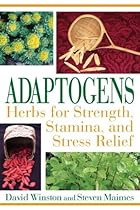 Constituents: Amla is rich in antioxidant polyphenols, including ellagic acid, phyllemblin, quercetin, and emblicol. It also contains significant amounts of vitamin C as well as condensed tannins and flavonols.
History/Ethnobotany
According to Hindu legend, two goddesses, Lakshmi and Parvati, were on a pilgrimage. At the same time, each declared that they wanted to worship the greater gods in a new and unique way. They were so happy at this simultaneous desire that they cried tears of joy. From these tears grew the tree Amalaki. Constituents: Amla is rich in antioxidant polyphenols, including ellagic acid, phyllemblin, quercetin, and emblicol. It also contains significant amounts of vitamin C as well as condensed tannins and flavonols.
History/Ethnobotany
According to Hindu legend, two goddesses, Lakshmi and Parvati, were on a pilgrimage. At the same time, each declared that they wanted to worship the greater gods in a new and unique way. They were so happy at this simultaneous desire that they cried tears of joy. From these tears grew the tree Amalaki. |
Antoinette Saville and Antony J. Haynes
See book keywords and concepts |  Quercetin and rutin - quercetin is perhaps the best-known flavonoid used to help stabilize mast cells to prevent their emission of cytokines (a process called degran-ulation). Rutin has particular affinity for capillaries, helping to strengthen them.
Aloe vera - A well-known plant, the extracts of which can help with external wounds as well as internal ones such as those along the intestinal lining.
DG-Licorice - This is licorice with the glycyrrhizic acid removed. DG-Licorice has well-documented anti-inflammatory effects in the stomach. Quercetin and rutin - quercetin is perhaps the best-known flavonoid used to help stabilize mast cells to prevent their emission of cytokines (a process called degran-ulation). Rutin has particular affinity for capillaries, helping to strengthen them.
Aloe vera - A well-known plant, the extracts of which can help with external wounds as well as internal ones such as those along the intestinal lining.
DG-Licorice - This is licorice with the glycyrrhizic acid removed. DG-Licorice has well-documented anti-inflammatory effects in the stomach. |
Gary Null and Amy McDonald
See book keywords and concepts |  Emily Kane, in an article published by the American Association of Naturopathic Physicians in HealthWorld Online, adds her recommendations, with the reminder to first consult with a nutritionist or naturopath: vitamin B-complex injected into the muscle every two to ten days; omega-3 fatty acids (such as raw flax or linseed oil, one teaspoon daily); omega-6 fatty acids, found in fish, and olive oil; vitamin B3, 500 milligrams at the start of the migraine; magnesium in doses of 400 to 800 milligrams daily; and quercetin, 500 milligrams per day.
Dr. Emily Kane, in an article published by the American Association of Naturopathic Physicians in HealthWorld Online, adds her recommendations, with the reminder to first consult with a nutritionist or naturopath: vitamin B-complex injected into the muscle every two to ten days; omega-3 fatty acids (such as raw flax or linseed oil, one teaspoon daily); omega-6 fatty acids, found in fish, and olive oil; vitamin B3, 500 milligrams at the start of the migraine; magnesium in doses of 400 to 800 milligrams daily; and quercetin, 500 milligrams per day.
Dr. | | He mentions vitamin A, beta carotene, thiamine hydrochloride, riboflavin, niacinamide, pantothenic acid, pyridoxine, B12, folic acid, para-amino-benzoic acid (PABA), biotin, choline and inositol, vitamin E, vitamin C, the bioflavinoids (such as quercetin, hesperiden and pycnogenol), vitamin N, acetyl cysteine, acetyl carnitine, the sulfur-containing amino acids L-cysteine and L-methionine, and the enzymes such as coenzyme Q10, bromelain, papain, and pancreatic enzymes. |
Jonny Bowden, Ph.D., C.N.S.
See book keywords and concepts |  There's also rutin, which helps protect blood vessels, and the anti-inflammatory, cancer-fighting flavonoid quercetin. And finally, a cup of cooked asparagus gives you a decent 3.6 g of fiber, all for a ridiculously low number of calories (40).
Best of all, there's serious published research showing that compounds in asparagus have antitumor activity. A study from Rutgers University, published in Cancer Letters, showed that crude saponins from asparagus inhibited the growth of human leukemia cells. Asparagus is also high in glutathione, one of the body's most important antioxidants. There's also rutin, which helps protect blood vessels, and the anti-inflammatory, cancer-fighting flavonoid quercetin. And finally, a cup of cooked asparagus gives you a decent 3.6 g of fiber, all for a ridiculously low number of calories (40).
Best of all, there's serious published research showing that compounds in asparagus have antitumor activity. A study from Rutgers University, published in Cancer Letters, showed that crude saponins from asparagus inhibited the growth of human leukemia cells. Asparagus is also high in glutathione, one of the body's most important antioxidants. | | Apples contain quercetin, a flavonoid that, in a 2001 Mayo Clinic study, helped prevent the growth of prostate cancer cells. Another study, at Cornell University, showed that phytochemicals in the skin of an apple inhibited the reproduction of colon cancer cells by 43 percent. And the National Cancer Institute reported that foods containing flavonoids like the ones in apples may reduce the risk of lung cancer by as much as 50 percent.
Apples Take Second Place for Antioxidant Power
But wait, there's more! |
Gabriel Cousens, M.D.
See book keywords and concepts |  Found in apples, onion, and garlic, quercetin helps improve gene expression in relationship to allergy and arthritis.52 Bioflavonoids, of which quercetin is one, are perhaps some of the most important modifiers of gene expression, in addition to being antioxidants.
This discussion takes us into the whole question of the use of wine and black and Chinese green teas, which are very high in bioflavonoids. The Chinese green teas also contain the class of bioflavonoids called cate-chins. These catechins are particularly strong antioxidants. Wine has a whole lot of flavonoids. Found in apples, onion, and garlic, quercetin helps improve gene expression in relationship to allergy and arthritis.52 Bioflavonoids, of which quercetin is one, are perhaps some of the most important modifiers of gene expression, in addition to being antioxidants.
This discussion takes us into the whole question of the use of wine and black and Chinese green teas, which are very high in bioflavonoids. The Chinese green teas also contain the class of bioflavonoids called cate-chins. These catechins are particularly strong antioxidants. Wine has a whole lot of flavonoids. |
Gary Null and Amy McDonald
See book keywords and concepts | | I also recommend pantothenic acid, which is vitamin B5, and vitamin C, which should be taken with quercetin, the bioflavonoid. The flavonoids are very powerful oxidants and healing agents. They have antiviral properties and antiyeast properties. They are great for people with Candida, fatigue, and chronic infections. Ninety percent of the vitamin C you take is not utilized unless you take the bioflavonoids with it. I take issue on this point with Linus Pauling, whom I greatly respect. I've yet to see where vitamin C taken by itself is maximally utilized. |
Gabriel Cousens
See book keywords and concepts |  Bioflavonoids, of which quercetin is one, are among the most important modifiers of gene expression, in addition to being antioxidants.
Once we understand this first principle about eating a Culture of Life anti-diabetogenic diet, we start to understand that what we take into our body has very important healing effects. In a October 1997 article in Science by Dr. Caleb Finch, a professor at the Andrus Gerontology Center at the University of Southern California, Finch clearly makes the point that heredity plays a minor role in determining life span. Bioflavonoids, of which quercetin is one, are among the most important modifiers of gene expression, in addition to being antioxidants.
Once we understand this first principle about eating a Culture of Life anti-diabetogenic diet, we start to understand that what we take into our body has very important healing effects. In a October 1997 article in Science by Dr. Caleb Finch, a professor at the Andrus Gerontology Center at the University of Southern California, Finch clearly makes the point that heredity plays a minor role in determining life span. |
Thomson Healthcare, Inc.
See book keywords and concepts |  Other Names: Khella, Khella Fruits, Greater Ammi actions and pharmacology
COMPOUNDS
Furochromones: particularly khellin, visnagin, khellol and khellol glucoside
Pyranocoumarins: particularly visnadin and samidin
Flavonoids: including quercetin and isohamnetin and their 3-sulfates
Volatile oil
Fatty oil
EFFECTS
The drug intensifies coronary and myocardial circulation, acting as a mild positive ionotrope. It has an antispasmodic effect on smooth muscles. Other Names: Khella, Khella Fruits, Greater Ammi actions and pharmacology
COMPOUNDS
Furochromones: particularly khellin, visnagin, khellol and khellol glucoside
Pyranocoumarins: particularly visnadin and samidin
Flavonoids: including quercetin and isohamnetin and their 3-sulfates
Volatile oil
Fatty oil
EFFECTS
The drug intensifies coronary and myocardial circulation, acting as a mild positive ionotrope. It has an antispasmodic effect on smooth muscles. |
Jonny Bowden, Ph.D., C.N.S.
See book keywords and concepts | | Contains many important flavonoids, especially quercetin, which supports the immune system, improves prostate health, and is perhaps the major nutrient responsible for the "French Paradox."
4. Spinach: Spinach contains lutein, which helps prevent macular degeneration and is instrumental in both lung and heart health. It is also one of the best sources of calcium.
5. Wild blueberries: Blueberries contain flavonoids that not only improve the macula and retina of the eye, but also help neurons in the brain communicate with one another.
6. |
Leslie Taylor, ND
See book keywords and concepts | 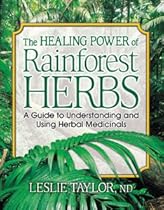 The main plant chemicals in chanca piedra include alkaloids, astragalin, bre-vifolin, carboxylic acids, corilagin, cymene, ellagic acid, ellagitannins, gallocat-echins, geraniin, hypophyllanthin, lignans, lintetralins, lupeols, methyl salicylate, niranthin, nirtetralin, niruretin, nirurin, nirurine, niruriside, norse-curinines, phyllanthin, phyllanthine, phyllanthenol, phyllochrysine, phylte-tralin, repandusinic acids, quercetin, quercetol, quercitrin, rutin, saponins, triacontanal, and tricontanol. The main plant chemicals in chanca piedra include alkaloids, astragalin, bre-vifolin, carboxylic acids, corilagin, cymene, ellagic acid, ellagitannins, gallocat-echins, geraniin, hypophyllanthin, lignans, lintetralins, lupeols, methyl salicylate, niranthin, nirtetralin, niruretin, nirurin, nirurine, niruriside, norse-curinines, phyllanthin, phyllanthine, phyllanthenol, phyllochrysine, phylte-tralin, repandusinic acids, quercetin, quercetol, quercitrin, rutin, saponins, triacontanal, and tricontanol. |
The Editors of FC&A
See book keywords and concepts | | Onions contain quercetin and other antioxidants that can safeguard your stomach.
Healthy habits
It's safe to smooch, according to the latest research. You can kiss your special someone without catching the dreaded H. pylori bacteria, experts say. But to prevent an ulcer flare-up, follow these tips.
• Eat fiber-rich and nutrient-packed foods, like fruits, vegetables, and whole grains.
• Space meals regularly throughout the day instead of just having snacks.
• Use caution with nonsteroidal anti-inflammatory drugs, also known as NSAIDs.
• Get a good night's sleep.
• Exercise regularly. | | What these foods have in common is quercetin, a flavonoid that protects against prostate cancer. You can also get it from beans, dark green vegetables, and citrus fruits.
Herbs and spices. Include parsley - fresh or dried - in salads and other dishes. This simple herb slashes your risk of both breast and prostate cancer. Also, remember to stir prostate-friendly garlic into soups and sauces.
The form of vitamin E that best protects the prostate — gamma-tocopherol — isn't the kind people usually buy in pills. Get the protective kind from natural sources like almonds, eggs, and olive oil. | | Red onions, buckwheat, and citrus fruits are good sources of quercetin, too.
Set your sights on citrus fruits. Because it is the main antioxidant in the surface of the lung, vitamin C is a major player in the asthma game. Two surveys of the same people taken nine years apart showed that taking vitamin C over the long haul definitely helps maintain lung function.
Citrus fruits — oranges, grapefruit, lemons, and limes — are all near the top of the list of food sources for C. After that, it's "P" foods. Fill up on sweet peppers, peaches, papayas, and pineapple to get more vitamin C. |
Leslie Taylor, ND
See book keywords and concepts | | This morphinelike effect was thought to be related to the chemical quercetin. In addition, lectin chemicals in guava were shown to bind to £. coli (a common diarrhea-causing organism), preventing its adhesion to the intestinal wall and thus preventing infection (and resulting diarrhea).18
The effective use of guava in diarrhea, dysentery, and gastroenteritis can also be related to guava's documented antibacterial properties. Bark and leaf extracts have shown to have in vitro toxic action against numerous bacteria. |
Patrick Holford
See book keywords and concepts |  A major benefit of quercetin is its ability to inhibit the release of histamine. It is said to help mitigate conditions brought on by some types of allergen (for example, eczema, asthma, hay fever) and has been ascribed anti-inflammatory properties, which means that berries could be good for arthritis sufferers as well.
At the prestigious Mayo Clinic, research has been conducted into quercetin to help treat and prevent prostate cancer, the fastest-rising cancer, now affecting one in six men at some point in their life. In the words of the Mayo Clinic researcher Dr. A major benefit of quercetin is its ability to inhibit the release of histamine. It is said to help mitigate conditions brought on by some types of allergen (for example, eczema, asthma, hay fever) and has been ascribed anti-inflammatory properties, which means that berries could be good for arthritis sufferers as well.
At the prestigious Mayo Clinic, research has been conducted into quercetin to help treat and prevent prostate cancer, the fastest-rising cancer, now affecting one in six men at some point in their life. In the words of the Mayo Clinic researcher Dr. |
The Editors of FC&A
See book keywords and concepts | | They're also a rich source of quercetin as well as potassium and magnesium, minerals that help keep your blood pressure under control. No wonder a French study has found that eating two apples a day can help prevent and reverse hardening of the arteries.
Try tomatoes, grapes, strawberries, and sweet potatoes. Eat health friendly foods like these to get a variety of nutrients that even the most complete multi-vitamin can't match. Here's a quick look at these four foods that reduce cholesterol build-up in the arteries. |
Leslie Taylor, ND
See book keywords and concepts | | It contains up to 20 percent flavonoids, including quercetin, luteolin, nepetin, apigenin, and hispidulin. The flavonoids are considered carqueja's main active constituents. Several novel plant chemicals called clerodane diterpenoids have been identified in carqueja and, in 1994, scientists showed that these chemicals had maximum effects against worms.1 This could possibly explain carqueja's long history of use as an agent to expel intestinal worms. | | Quercetin is thought to contribute to the anti-diarrhea effect of guava; it is able to relax intestinal smooth muscle and inhibit bowel contractions.7 In addition, other flavonoids and triterpenes in guava leaves show antispasmodic activity.8-9 Guava also has antioxidant properties which is attributed to the polyphenols found in the leaves. |
Joseph E. Mario
See book keywords and concepts |  Quercetin 20 minutes before meals with 125 mg. Bromelain to enhance absorption.
Take400-800units VitaminD; 800 units VitaminE; 250-1000mg. Vitamin F, essential fatty acids, 1 tbs. Linseed oil twice daily (anti-inflammatory). The Minerals Indium; 1000 mg. Calcium and 500 mg. Magnesium (2 to 1); 30-60mg. Zinc* (especially ifthe allergy affects the skin and mucous membranes); Potassium; Trace minerals Chromium; 5 mg. Manganese twice weekly; and 50-150 meg. Selenium twice daily may help protect cell walls. Enzymes and herbal glandulars, 1 -2 8x tablets of Pancreatin with meals; and Thymus extract. Quercetin 20 minutes before meals with 125 mg. Bromelain to enhance absorption.
Take400-800units VitaminD; 800 units VitaminE; 250-1000mg. Vitamin F, essential fatty acids, 1 tbs. Linseed oil twice daily (anti-inflammatory). The Minerals Indium; 1000 mg. Calcium and 500 mg. Magnesium (2 to 1); 30-60mg. Zinc* (especially ifthe allergy affects the skin and mucous membranes); Potassium; Trace minerals Chromium; 5 mg. Manganese twice weekly; and 50-150 meg. Selenium twice daily may help protect cell walls. Enzymes and herbal glandulars, 1 -2 8x tablets of Pancreatin with meals; and Thymus extract. |
by Michael Murray, N.D. and Joseph Pizzorno, N.D.
See book keywords and concepts | | If apples are raw and unpeeled, they are a great source of many important phytochemicals, such as ellagic acid and flavonoids (especially quercetin). For example, fresh whole apples and fresh apple juice contain approximately 100-130 milligrams per 100 grams (roughly 3'/2 ounces) of ellagic, chloro-genic, and caffeic acids. The content of these compounds in cooked or commercial apple products, however, is at or near zero.
A 3'/2-ounce (100 gram) serving of apple is one small apple (four per pound) and provides 52 calories, 0.3 grams of protein, 0.2 gram of fat, and 12. |
The Editors of FC&A
See book keywords and concepts | | Buckwheat is a good source but you can also find quercetin in apples, onions, and citrus fruits. It's available as a supplement, too, but talk to your doctor before taking it.
To clear your sinuses, dissolve a half teaspoon of salt in a cup of warm water. With a bulb syringe, flush your nose with the mixture.
Cash in on kiwis. This fuzzy fruit is loaded with vitamin C which may keep your white blood cells from releasing histamine, and disarm histamine once it is released. |
Joe Graedon, M.S. and Teresa Graedon, Ph.D.
See book keywords and concepts | | The anti-inflammatory effect of quercetin helps stabilize mast cells. These are the cells in your eyes, nose, and lungs (and other places in your body) that are highly sensitive to allergens.
Think of mast cells as floating mines. When they come into contact with allergens like ragweed pollen or dust mite poop, a switch gets thrown on these cellular "mines" and all hell breaks loose. Mast cells start releasing histamine and other chemicals called kinins (pronounced KYE-nins), which then turn on a cascade of other nasty things like leukotrienes and prostaglandins. |
by Michael Murray, N.D. and Joseph Pizzorno, N.D.
See book keywords and concepts | | Quercetin is a potent antioxidant that inhibits
TABLE 9.2
Flavonoid Content of Selected Foods, in Milligrams per 3 '/i-oz. | | Red wine contains mainly single molecules of flavonoids, primarily quercetin. In contrast, grape juice flavonoids are usually complexed with other flavonoids and are bound to various sugars that may reduce their bioavailability. Also, the flavonoid content in white wine is significantly lower than that in red wine.
The bottom line is that for women, one glass, and for men, one or two glasses, of red wine per day appears to be a good prescription for a healthy heart. |
The Editors of FC&A
See book keywords and concepts | | Apples also contain vitamin C, the minerals magnesium and potassium to help regulate blood pressure, and flavonoids like quercetin that act as antioxidants. It all adds up to a very powerful piece of fruit.
An apple a day might keep the doctor away But, according to a French study, eating two apples a day can lower your cholesterol by as much as 30 percent.
Sow some oats. Use some good,
Psyllium is another old-fashioned horse sense, and eat
FDA-recommended sol- more oats- Oats feature beta-gluuble fiber. |
Leslie Taylor, ND
See book keywords and concepts | | The main plant chemicals found in macela include achyrocline polysaccharides, achyrofuran, auricepyrone, cadinene, caffeic acid, callerianin, calleryanin, caryatin, caryophyllene, chlorogenic acid, cineol, flavones, galangin, germa-crene D, gnaphaliin, italidipyrone, lauricepyrone, luteolin, ocimene, pinene, pyrone, quercetagetin, quercetin, scoparol, scoparone, and tamarixetin.
Macela has been the subject of western research, and many of its long-time uses in herbal medicine have been validated by scientists. | | Nettle's main plant chemicals include acetophenone, acetylcholine, agglutinins, alkaloids, astragalin, butyric acid, caffeic acids, carbonic acid, chlorogenic acid, chlorophyll, choline, coumaric acid, folacin, formic acid, friedelins, histamine, kaempherols, koproporphyrin, lectins, lecithin, lignans, linoleic acid, linolenic acid, neoolivil, palmitic acid, pantothenic acid, quercetin, quinic acid, scopoletin, secoisolariciresinol, serotonin, sitosterols, stigmasterol, succinic acid, terpenes, violaxanthin, and xanthophylls. |
page 4 of 22 | Next ->
FAIR USE NOTICE: The research quoted here is provided under the protection of Fair Use provisions and published by the 501(c)3 non-profit Consumer Wellness Center for the purposes of public comment and education. Authors / publishers may submit books for consideration of inclusion here.
TERMS OF USE: Read full terms of use. Citations of text from NaturalPedia must include: 1) Full credit to the original author and book title. 2) Secondary credit to the Natural News Naturalpedia as a research resource and a link to www.NaturalNews.com/np/index.html
This unique compilation of research is copyright (c) 2008 by the non-profit Consumer Wellness Center.
ABOUT THE CREATOR OF NATURALPEDIA: Mike Adams, the creator of this NaturalNews Naturalpedia, is the editor of NaturalNews.com, the internet's top natural health news site, creator of the Honest Food Guide (www.HonestFoodGuide.org), a free downloadable consumer food guide based on natural health principles, author of Grocery Warning, The 7 Laws of Nutrition, Natural Health Solutions, and many other books available at www.TruthPublishing.com, creator of the earth-friendly EcoLEDs company (www.EcoLEDs.com) that manufactures energy-efficient LED lighting products, founder of Arial Software (www.ArialSoftware.com), a permission e-mail technology company, creator of the CounterThink Cartoon series (www.NaturalNews.com/index-cartoons.html) and author of over 1,500 articles, interviews, special reports and reference guides available at www.NaturalNews.com. Adams' personal philosophy and health statistics are available at www.HealthRanger.org.
|
 |
Refine your search
with Quercetin...
...and Nutrients:...and Vitamin
...and Flavonoids
...and Vitamin C
...and Antioxidant
...and Calcium
...and Iron
...and Zinc
...and Magnesium
...and Potassium
...and Vitamin E
...and Foods and Beverages:...and Fruit
...and Onions
...and Tea
...and Apples
...and Vegetables
...and Onion
...and Fruits
...and Meals
...and Juice
...and Grapes
...and Substances:...and Acid
...and Food
...and Water
...and Extract
...and Acids
...and Oxygen
...and Bacteria
...and Lead
...and Light
...and Formulas
...and Concepts:...and Study
...and Activity
...and Studies
...and Source
...and Damage
...and Risk
...and Research
...and Combination
...and Sources
...and Substances
...and Physiology:...and Effects
...and Effect
...and Helps
...and Prevent
...and Levels
...and Absorption
...and Inhibits
...and Increase
...and Immune
...and Intake
...and Health Conditions and Diseases:...and Cancer
...and Inflammation
...and Asthma
...and Allergies
...and Heart disease
...and Pain
...and Cancer cells
...and Allergy
...and Cancers
...and Diabetes
...and Anatomy:...and Cells
...and Blood
...and Skin
...and Body
...and Heart
...and Liver
...and Immune system
...and Tissue
...and Breast
...and Lung
...and Key Health Concepts:...and Foods
...and Nutrients
...and Treatment
...and Phytochemicals
...and Disease
...and Symptoms
...and Herbs
...and Diet
...and Drug
...and Herb
...and Plants and Herbs:...and Leaf
...and Root
...and Leaves
...and Garlic
...and Flowers
...and Bark
...and Flower
...and Ginkgo
...and Ginger
...and Green tea
...and Objects:...and Plant
...and Oil
...and People
...and Label
...and Seed
...and Vitamins
...and Compound
...and Agents
...and Capsules
...and Produce
...and Adjectives:...and Red
...and Natural
...and Chronic
...and Clinical
...and Inhibited
...and Green
...and White
...and Beneficial
...and Recommended
...and Dietary
...and Actions:...and Taking
...and Growth
...and Eat
...and Avoid
...and Preventing
...and Prevents
...and Eating
...and Treating
...and Drink
...and Actions
...and Who:...and Human
...and Patients
...and Men
...and Women
...and Family
...and Children
...and Animals
...and Physician
...and Elderly
...and French
...and Dose
...and Properties
...and Doses
...and Dosage
...and Results
...and Gene
...and Serum
...and Inhibitors
...and Drops
...and Injection
...and Macronutrients:...and Protein
...and Fiber
...and Seeds
...and Enzymes
...and Oils
...and Fatty acids
...and Minerals
...and Proteins
...and Fats
...and Calories
...and Medical Adjectives:...and In vitro
...and Antiviral
...and Intestinal
...and Ovarian
...and Diabetic
...and Acute
...and Viral
...and Antibacterial
...and Digestive
...and Therapeutic
...and Properties:...and Anti-inflammatory
...and Oxidation
...and Relieves
...and Antifungal
...and Antimicrobial
...and Expectorant
...and Antiseptic
...and Relieving
...and Analgesic
...and Calming
...and Hormones and Biochemistry:...and Histamine
...and Estrogen
...and Hormones
...and Lipids
...and Insulin
...and Methionine
...and Estrogens
...and Steroid
...and Cortisol
...and Homocysteine
...and Drugs:...and Tablets
...and Diuretic
...and Chemotherapy
...and Antibiotic
...and Aspirin
...and Sedative
...and Laxative
...and Antibiotics
...and Steroids
...and Antidepressants
...and Biological Functions:...and Digestion
...and Concentration
...and Metabolism
...and Period
...and Vision
...and Attention
...and Breath
...and Weight loss
...and Strength
...and Memory
...and Where:...and Chinese
...and United states
...and Europe
...and California
...and New york
...and America
...and China
...and Asia
...and India
...and Japan
...and Chemicals:...and Free radicals
...and Caffeine
...and Carcinogens
...and Ethanol
...and Pesticides
...and Additives
...and Mercury
...and Carcinogen
...and Aluminum
...and Dyes
...and Animals:...and Rats
...and Mice
...and Dogs
...and Worms
...and Insect
...and Cats
...and Insects
...and Turkey
...and Cat
...and Cattle
...and Biological Measures:...and Blood pressure
...and Blood sugar levels
...and Blood levels
...and Blood cholesterol
...and Triglycerides
...and Body weight
...and Heart rate
...and Height
...and Blood glucose
...and Ingredients:...and Sodium
...and Fructose
...and Food additives
...and Preservatives
...and Msg
...and Aspartame
...and Treatment Modalities:...and Detoxification
...and Massage
...and Folk medicine
...and Chinese medicine
...and Cleanse
...and Relaxation
...and Fasting
...and Traditional chinese medicine
...and Ayurvedic
...and Reflexology
...and Organizations:...and Epa
...and National cancer institute
...and School of medicine
...and Medical school
...and Usda
...and Health food stores
...and Lancet
...and Fda
...and Clinic
...and Organizations
...and Supplements:...and Flaxseed oil
...and Fish oil
...and Lactobacillus
...and Coenzyme q10
...and Spirulina
...and When:...and Summer
...and July
...and Winter
...and October
...and April
...and August
...and Spring
...and February
...and December
...and At night
|
Related Concepts:
Acid
Fruit
Vitamin
Flavonoids
Cancer
Effects
Cells
Study
Onions
Leaf
Vitamin C
Plant
Root
Activity
Studies
Antioxidant
Foods
Blood
Effect
Helps
Leaves
Inflammation
Skin
Prevent
Anti-inflammatory
Nutrients
Calcium
Treatment
Iron
Tea
Zinc
Taking
Magnesium
Potassium
Garlic
Phytochemicals
Asthma
Disease
Oil
People
Body
Apples
Allergies
Histamine
Source
Growth
Heart
Vitamin E
Red
Damage
Risk
Label
Symptoms
Heart disease
Herbs
Human
Food
Water
Liver
Seed
Diet
Vitamins
Levels
Enzyme
Extract
Selenium
Natural
Beta-carotene
Kaempferol
Patients
Pain
Cancer cells
Dose
Properties
Antioxidants
Protein
Manganese
Fiber
Vegetables
Drug
Acids
Absorption
Chronic
Onion
Doses
Fruits
Inhibits
Research
Clinical
Inhibited
Combination
Increase
Meals
Immune
Eat
Allergy
Green
Men
White
Beneficial
|









 Email this page to a friend