Kenny Ausubel
See book keywords and concepts |
 Duke further highlights the fact that only recently have scientists acknowledged the data that phytoestrogens such as genistein regulate the immune system and appear to prevent the spread of breast cancer. The recent flurry of excitement around tests of the synthetic drug Tamoxifen, claiming it can prevent breast cancer in up to 50 percent of women, downplays the fact that it also can produce serious "side effects" such as uterine cancer and fatal blood clots.30 The compounds in red clover, says Duke, are a much safer natural alternative to this toxic synthetic drug. Duke further highlights the fact that only recently have scientists acknowledged the data that phytoestrogens such as genistein regulate the immune system and appear to prevent the spread of breast cancer. The recent flurry of excitement around tests of the synthetic drug Tamoxifen, claiming it can prevent breast cancer in up to 50 percent of women, downplays the fact that it also can produce serious "side effects" such as uterine cancer and fatal blood clots.30 The compounds in red clover, says Duke, are a much safer natural alternative to this toxic synthetic drug. |
Patrick Quillin, PhD,RD,CNS
See book keywords and concepts |
 For more on this subject, refer to the explanation of ginseng, which also contains phytoestrogens.
L-glycine 1 gm
Energizer, calmitive agent, detoxifier, controls fat levels in the blood, builds energy stores (glycogen) in the liver, helps in wound recovery and collagen synthesis._
Glycine's name reflects its sweet flavor. It is considered a nonessential amino acid, since it can be formed from the amino acids threonine and serine. For more on this subject, refer to the explanation of ginseng, which also contains phytoestrogens.
L-glycine 1 gm
Energizer, calmitive agent, detoxifier, controls fat levels in the blood, builds energy stores (glycogen) in the liver, helps in wound recovery and collagen synthesis._
Glycine's name reflects its sweet flavor. It is considered a nonessential amino acid, since it can be formed from the amino acids threonine and serine. |
| Researchers at the National Cancer Institute find a collection of substances in soybeans, including isoflavones and phytoestrogens, appear to have potent anticancer properties.13 Dr. Ann Kennedy has spent 20 years researching a compound in soybeans that:
-prevents cancer in most animals exposed to a variety of carcinogens
-retards cancer in some studies
-lowers the toxic side effects of chemo and radiation therapy -reverts a cancer cell back to a normal healthy cell.14
-Others. There are numerous foods that show an ability to slow tumor growth in some way. |
Committee on Comparative Toxicity of Naturally Occurring Carcinogens
See book keywords and concepts |
 It was recently proposed by Safe that some of the potential toxic impact of estrogenic industrial compounds may well be prevented by the large number of phytoestrogens in the diet (Safe, in press).
It is important to note that the results in bioassay testing for carcinogenicity and anticarcinogenicity will probably be skewed by the methods currently used. It was recently proposed by Safe that some of the potential toxic impact of estrogenic industrial compounds may well be prevented by the large number of phytoestrogens in the diet (Safe, in press).
It is important to note that the results in bioassay testing for carcinogenicity and anticarcinogenicity will probably be skewed by the methods currently used. |
| Others include isoflavonoids and phytoestrogens. However, unlike the nutrients, intakes of non-nutritive constituents have not been extensively studied. No quantitative exposure information is available on the anticarcinogenic non-nutritive constituents. Their numerous conjugated forms in plants have not been investigated, and estimates of exposure are further complicated because these constituents are hydrolyzed in the gut to other products. |
| Recent studies suggest that some of the cancer-prevention effects of dietary fiber may be related to the lig-nan precursors and other phytoestrogens in whole grain foods rich in fiber (Thompson 1994).
Fat
Previous NRC committees (1982 and 1989) have concluded from epidemiologic studies that of all the dietary factors, fat exhibited the most consistent cancer-enhancing effect. However, a clear consensus on the strength of the relationship between dietary fat per se and cancer risk in humans remains elusive (Pariza and Boutwell 1987, Kritchevsky 1993, Willett 1994). |
John Boik
See book keywords and concepts |
 Research suggests that various saponins stimulate the immune system, inhibit sarcoma 37 cells in vitro, decrease the growth of human epidermoid and cervical cancer cells in vitro, inhibit Epstein-Barr virus expression, and, like phytoestrogens, reduce abnormal colonic cell proliferation induced by carcinogens (reviewed by Messina and Barnes, 1991).3 Because of their surfactant properties, herbs that contain saponins may help to increase the absorption of plant constituents that are not water-soluble.
A wide variety of Chinese herbs contain beta-sitosterol. Research suggests that various saponins stimulate the immune system, inhibit sarcoma 37 cells in vitro, decrease the growth of human epidermoid and cervical cancer cells in vitro, inhibit Epstein-Barr virus expression, and, like phytoestrogens, reduce abnormal colonic cell proliferation induced by carcinogens (reviewed by Messina and Barnes, 1991).3 Because of their surfactant properties, herbs that contain saponins may help to increase the absorption of plant constituents that are not water-soluble.
A wide variety of Chinese herbs contain beta-sitosterol. |
Patrick Quillin, PhD,RD,CNS
See book keywords and concepts |
| Based on the fact that soy contains weak phytoestrogens that can induce infertility in zoo animals kept on a high soy diet, some experts have cautioned against the use of soy in estrogen/progesterone positive breast cancer. Tamoxifen is an estrogen binder drug that is given to women with estrogen positive breast cancer. Tamoxifen has a similar chemical structure to genistein, yet genistein does not have any of the toxic side effects of tamoxifen. Once again, Nature comes up with another brilliantly helpful molecule in genistein, which inhibits both breast and prostate cancer. |
Dr. Gary Null
See book keywords and concepts |
 Also, dong qua\, a Chinese herb, is a rich source of phytoestrogens and a smooth-muscle relaxant; it may relieve cramps from fibroids (500 to 1000 mg/day).
S. Lark, "Fending Off Fibroids," Vegetarian Times 193 (September 1993): 100.
Red raspberry (Rubus idaeus) is an astringent anti-hemorrhagic and a general toner and strengthener of uterine tissues. Also, dong qua\, a Chinese herb, is a rich source of phytoestrogens and a smooth-muscle relaxant; it may relieve cramps from fibroids (500 to 1000 mg/day).
S. Lark, "Fending Off Fibroids," Vegetarian Times 193 (September 1993): 100.
Red raspberry (Rubus idaeus) is an astringent anti-hemorrhagic and a general toner and strengthener of uterine tissues. |
Nicola Reavley
See book keywords and concepts |
 Soy foods such as tofu, which contain compounds known as phytoestrogens, have been shown to reduce menopausal symptoms in many women. A woman's risk of disorders such as heart disease and osteoporosis increases after menopause, and the various dietary measures and supplements outlined above can be used to prevent these.
Herbal medicines and older people
There are many herbs that can be beneficial for older people. Soy foods such as tofu, which contain compounds known as phytoestrogens, have been shown to reduce menopausal symptoms in many women. A woman's risk of disorders such as heart disease and osteoporosis increases after menopause, and the various dietary measures and supplements outlined above can be used to prevent these.
Herbal medicines and older people
There are many herbs that can be beneficial for older people. |
| Soybeans contain compounds called phytoestrogens which act in a similar way to estrogen and have beneficial effects on bone mineral density.
Caffeine-containing drinks can increase the loss of calcium in the urine. Diet soda drinks which contain phosphoric acid can alter the calcium phosphorus balance and contribute to calcium loss from the bones. Consuming large amounts of these drinks can increase the risk of osteoporosis. Nicotine and alcohol also adversely affect bone mineral density. |
Dr. Mary Dan Eades
See book keywords and concepts |
 Isoflavones
These are the most widely researched phytoestrogens. The only sources of isoflavones are soy, garbanzo beans, alfalfa, and clover. Of course, soy is available in many forms and products. Alfalfa is eaten as sprouts, and some sprouts are made from clover.
How do isoflavones work? Isoflavones bind with the dominant estrogen receptor in the body. Their activity is weak compared to the activity of human estrogen, and so they act more like antiestrogens by displacing human estrogen from the receptors. Isoflavones
These are the most widely researched phytoestrogens. The only sources of isoflavones are soy, garbanzo beans, alfalfa, and clover. Of course, soy is available in many forms and products. Alfalfa is eaten as sprouts, and some sprouts are made from clover.
How do isoflavones work? Isoflavones bind with the dominant estrogen receptor in the body. Their activity is weak compared to the activity of human estrogen, and so they act more like antiestrogens by displacing human estrogen from the receptors. |
Nicola Reavley
See book keywords and concepts |
| Evidence from molecular and cellular biology experiments, animal studies, and human clinical trials suggests that phytoestrogens may help to prevent cardiovascular disease, cancer, osteoporosis, and menopausal symptoms. Epidemiological studies suggest that rates of these disorders are lower among populations that eat plant-based diets, particularly among cultures with diets that are traditionally high in soy products. Soybeans also contain other beneficial compounds including phytosterols, which have been shown to lower blood cholesterol, possibly by competing with cholesterol uptake. |
| Red clover (Trifolium prat&nse)
Rich in compounds known as phytoestrogens, red clover has been used in the treatment of cancer.
Uses
Red clover is used to treat skin conditions such as psoriasis and eczema. It is also useful in the treatment of whooping cough and bronchitis as it has expectorant and antispasmodic action.
Sage (Salvia officinalis)
A commonly used culinary herb, sage also has medicinal uses. It has carminative, anti-spasmodic, anti-microbial, astringent and anti-inflammatory actions. |
Dr. Mary Dan Eades
See book keywords and concepts |
| With no side effects, it's certainly worth trying out the phytoestrogens. These, taken in combination with a well-balanced diet, could very well improve your comfort, health, and sense of well-being during menopause. Always consult a physician before trying any therapy or treatment.
What makes it worse?
• Dairy products and meat promote hot flashes and contribute to a loss of calcium from the bones. Limit your intake of them. Avoid alcohol, caffeine, sugar, spicy foods, and hot soups and drinks. These substances can trigger hot flashes and make mood swings worse. |
James A. Duke, Ph.D.
See book keywords and concepts |
 Soybeans and foods made with them have been touted as the best sources of phytoestrogens. They're not. Almost all edible beans contain generous amounts of the compounds. And some have even more than soy.
Take extra vitamin E. Vaginal dryness can improve with supplementation, especially vitamin E. I've seen studies in which a daily oral dose of 400IU helped about 50 percent of women with vaginal dryness in about a month.
Some naturopathic physicians suggest topical application of vitamin E as well. Soybeans and foods made with them have been touted as the best sources of phytoestrogens. They're not. Almost all edible beans contain generous amounts of the compounds. And some have even more than soy.
Take extra vitamin E. Vaginal dryness can improve with supplementation, especially vitamin E. I've seen studies in which a daily oral dose of 400IU helped about 50 percent of women with vaginal dryness in about a month.
Some naturopathic physicians suggest topical application of vitamin E as well. |
Dr. Gary Null
See book keywords and concepts |
| Soy foods are rich in phytoestrogens called bioflavonoids; they normalize estrogen levels in the body. Citrus fruits and berries are also helpful. They're rich in vitamin C, which helps normalize estrogen levels. Another nutritional factor in this problem may be vitamin A. A study showed that women with excessive menstrual bleeding, a common symptom with fibroids, had low levels of A, and that supplementation is effective in returning bleeding patterns to normal. Beta carotene sources include sweet potatoes, carrots, and romaine lettuce.
S. |
James A. Duke, Ph.D.
See book keywords and concepts |
| Duke's Anti-Aging
Elixir those rich in phytoestrogens, may help recharge a flagging libido.
Any of the following could produce the desired results. All grow in my Garden of Youth. dong quai (ANGELICA SINENSIS).
Also known as Chinese angelica, dong quai is a major women's herb in Chinese medicine. I've seen some studies showing that it is estrogenic, though other research disputes the claim. I'm inclined to believe the findings of estrogenic properties, because of dong quai's traditional uses among the Chinese. |
Dr. Gary Null
See book keywords and concepts |
| Rose, "Dietary Fiber, phytoestrogens, and Breast Cancer," Nutrition 8 (1992): 47-51. herbs/plant extracts
A study looked at the effects of remifemin, an extract of Cimicifuga racemosa, on the LH and FSH secretion of menopausal women. Levels of LH, but not FSH, were found to be reduced significantly in patients who received the extract. Subsequent animal experiments within the same study supported these results.
E. M. Duker et al., "Effects of Extracts from Cimicifuga Racemosa on Gonadotropin Release in Menopausal Women and Ovariectomized Rats," Planta. Med., 57, no. 5 (October 1991): 420-424. |
Earl Mindell and Hester Mundis
See book keywords and concepts |
 In the body isoflavones are converted into phytoestrogens (plant estrogens) that may help block the growth of hormone-dependent and other and protect the cardiovascular system. (See section 95.) cancers, and also may lower LDL cholesterol and protect against heart disease. Spinach: Rich in folic acid (which helps prevent birth defects), beta-carotene, and iron. Yogurt. Added lactobacillus culture may improve digestion.
43. Misfunctional Foods
One of the largest areas of expansion in the food industry is spiking foods with ingredients to enhance their healthful properties. In the body isoflavones are converted into phytoestrogens (plant estrogens) that may help block the growth of hormone-dependent and other and protect the cardiovascular system. (See section 95.) cancers, and also may lower LDL cholesterol and protect against heart disease. Spinach: Rich in folic acid (which helps prevent birth defects), beta-carotene, and iron. Yogurt. Added lactobacillus culture may improve digestion.
43. Misfunctional Foods
One of the largest areas of expansion in the food industry is spiking foods with ingredients to enhance their healthful properties. |
Dr. Gary Null
See book keywords and concepts |
| Menopausal women report relief and rejuvenation from Ayurvedic formulas using herbal phytoestrogens and phytoproges-terones. Ayurveda believes that balance is the key to perfect health. It basically determines which body/mind type a person is and, based on that system, helps people choose the type of foods they should eat and the type of exercise best for them. For more information, read Perfect Health and Ageless Body, Timeless Mind by Deepak Chopra.
REFLEXOLOGY
In the chapter 22, on pre-menstrual syndrome, Laura Norman outlines reproductive system reflex points. |
David Heber, M.D., Ph.D.
See book keywords and concepts |
 Soy isoflavones are often called "phytoestrogens," but they are not really estrogens. In fact, they act as antiestrogens in the breast and uterus by displacing estrogen from its binding protein, called the alpha estrogen receptor. This antiestrogen effect is often credited as one of the most important properties of soy in accounting for the lower incidence of breast and uterine cancer seen in countries such as Japan, where soy is eaten as a regular part of the diet. Soy isoflavones are often called "phytoestrogens," but they are not really estrogens. In fact, they act as antiestrogens in the breast and uterus by displacing estrogen from its binding protein, called the alpha estrogen receptor. This antiestrogen effect is often credited as one of the most important properties of soy in accounting for the lower incidence of breast and uterine cancer seen in countries such as Japan, where soy is eaten as a regular part of the diet. |
Kenny Ausubel
See book keywords and concepts |
| Further research continues to confirm that consumption of soy as a dietary source of these phytoestrogens is associated with a lowered risk of leukemia as well as cancers of the breast, lung, and prostate.27 Among 150 herbs tested for such hormone activity, the top six included Hoxsey's red clover and licorice, along with soy.28
Science News in May 1990 reported that a compound was discovered in soybeans that resembles the conventional cancer drug Tamoxifen. Duke noted that this "Tamoxifen look-alike may block cancer at an early stage. |
Michael Castleman
See book keywords and concepts |
 Isoflavones, also known as phytoestrogens (literally, plant estrogens) show the most powerful anti-cancer effects. They are structurally similar to the female sex hormone, and they bind to the same receptor sites on breast cells. But unlike hormonal estrogen, isoflavones and phytosterols do not spur the growth of breast tumors. When the soy chemicals bind to estrogen receptors, they prevent hormonal estrogen from doing so, which in turn prevents tumor growth. (Tamoxifen, a drug widely used to prevent breast cancer recurrences, works in a similar fashion. Isoflavones, also known as phytoestrogens (literally, plant estrogens) show the most powerful anti-cancer effects. They are structurally similar to the female sex hormone, and they bind to the same receptor sites on breast cells. But unlike hormonal estrogen, isoflavones and phytosterols do not spur the growth of breast tumors. When the soy chemicals bind to estrogen receptors, they prevent hormonal estrogen from doing so, which in turn prevents tumor growth. (Tamoxifen, a drug widely used to prevent breast cancer recurrences, works in a similar fashion. |
Dr. Mary Dan Eades
See book keywords and concepts |
| These phytoestrogens can be obtained from soybeans, peanuts, lentils, green peas, split peas, and beans. Recommendation: It is preferable to eat the organic form of isoflavones. Their equality to prescription hormonal supplements has been demonstrated, without the adverse side effects.
• Exercise, even in moderate amounts, is extremely helpful in alleviating PMS. Exercise increases oxygen levels in the blood, which improves nutrient absorption and toxin elimination. It also helps maintain hormone balance. |
Alan Keith Tillotson, Ph.D., A.H.G., D.Ay.
See book keywords and concepts |
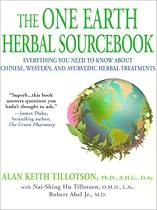 Herbs that contain phytoestrogens are included, but theoretical concerns have not been proven. Some of the teratogenic research is done on animals, and at high doses. Remember, dosage is everything in toxicology. As time goes by, safety testing will no doubt show that some of the herbs on this list are indeed safe to use. Herbs that contain phytoestrogens are included, but theoretical concerns have not been proven. Some of the teratogenic research is done on animals, and at high doses. Remember, dosage is everything in toxicology. As time goes by, safety testing will no doubt show that some of the herbs on this list are indeed safe to use. |
Judith Wills
See book keywords and concepts |
 The lignan enterolactone in this case appears to be the most potent form in helping to prevent breast cancer. The phytoestrogens may also be antioxidant.
Other phytochemicals that may help to fight hormone-related cancers are limonene, found in citrus oils, and certain members of the glucosinolate family (see above) found in sprouts, broccoli, etc. called indoles.
Other interesting phytochemicals
Bromelain, found in pineapples, aids digestion but may also clear blocked arteries and thin the blood. Similarly, papain, found in papaya, aids digestion, and is also a pain-reliever. The lignan enterolactone in this case appears to be the most potent form in helping to prevent breast cancer. The phytoestrogens may also be antioxidant.
Other phytochemicals that may help to fight hormone-related cancers are limonene, found in citrus oils, and certain members of the glucosinolate family (see above) found in sprouts, broccoli, etc. called indoles.
Other interesting phytochemicals
Bromelain, found in pineapples, aids digestion but may also clear blocked arteries and thin the blood. Similarly, papain, found in papaya, aids digestion, and is also a pain-reliever. |
Michael T. Murray, N.D.
See book keywords and concepts |
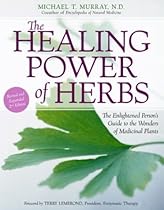 Because of the balancing action of phytoestrogens on estrogen effects, it is common to find the same plant recommended for conditions of estrogen excess (such as premenstrual syndrome) as well as conditions of estrogen deficiency (such as menopause, premenstrual syndrome, and menstrual abnormalities). Many of these herbs have been termed "uterine tonics."
The four most useful herbs in the treatment of hot flashes are angelica or Dong quai (Angelica sinensis), licorice root (Glycyrrhiza glabra), chaste berry (Vitex agnus-castus), and black cohosh (Cimicifuga racemosa). Because of the balancing action of phytoestrogens on estrogen effects, it is common to find the same plant recommended for conditions of estrogen excess (such as premenstrual syndrome) as well as conditions of estrogen deficiency (such as menopause, premenstrual syndrome, and menstrual abnormalities). Many of these herbs have been termed "uterine tonics."
The four most useful herbs in the treatment of hot flashes are angelica or Dong quai (Angelica sinensis), licorice root (Glycyrrhiza glabra), chaste berry (Vitex agnus-castus), and black cohosh (Cimicifuga racemosa). |
| This alterative action of angelica phytoestrogens is probably the basis of much of the plant's use in amenorrhea and menopause.
Japanese angelica has demonstrated uterine tonic activity, causing an initial increase in uterine contraction followed by relaxation.89 In addition, administration of Japanese angelica to mice resulted in increased uterine weight, increased DNA content of the uterus and liver, and increased glucose utilization by the liver and uterus.1,8 Because of these and other effects, angelica has been referred to as a uterine tonic. |
| Sharaf A and Goma N: phytoestrogens and their antagonism to progesterone and testosterone. / Endocrinol 31, 289-290, 1965.
7. Farese RV, et al: Licorice-induced hypermineralocorticoidism. N EnglJ Med 325,1223-1227,1991.
8. Stormer FC, Reistad R, and Alexander J: Glycyrrhizic acid in liquorice—evaluation of health hazard. Fd Chem Toxicol 31, 303-312, 1993.
9. Takeda R, et al: Prolonged pseudoaldosteronism induced by glycyrrhizin. Endocrinol Jpn 26, 541-547,1979.
10. Baron J: Side-effects of carbonoxolone. Acta Gastro-Enterol Belgica 46, 469-484,1983.
11. |









 Email this page to a friend