Leslie Taylor, ND
See book keywords and concepts |  Common lipids, sterols, and flavonols also occur in the plant.
The main plant chemicals in chanca piedra include alkaloids, astragalin, bre-vifolin, carboxylic acids, corilagin, cymene, ellagic acid, ellagitannins, gallocat-echins, geraniin, hypophyllanthin, lignans, lintetralins, lupeols, methyl salicylate, niranthin, nirtetralin, niruretin, nirurin, nirurine, niruriside, norse-curinines, phyllanthin, phyllanthine, phyllanthenol, phyllochrysine, phylte-tralin, repandusinic acids, quercetin, quercetol, quercitrin, rutin, saponins, triacontanal, and tricontanol. Common lipids, sterols, and flavonols also occur in the plant.
The main plant chemicals in chanca piedra include alkaloids, astragalin, bre-vifolin, carboxylic acids, corilagin, cymene, ellagic acid, ellagitannins, gallocat-echins, geraniin, hypophyllanthin, lignans, lintetralins, lupeols, methyl salicylate, niranthin, nirtetralin, niruretin, nirurin, nirurine, niruriside, norse-curinines, phyllanthin, phyllanthine, phyllanthenol, phyllochrysine, phylte-tralin, repandusinic acids, quercetin, quercetol, quercitrin, rutin, saponins, triacontanal, and tricontanol. | | Phytochemical analysis of pedra hume caa reveals a high content of flavonoids, flavonols, and flavanones. In 1998, Japanese researchers reported the discovery of several novel and biologically active phytochemicals. These new flavanone glucosides were named myrciacitrins I and II; the new acetophenone glucosides were named myrciaphenones A and B.1 Their published study reported that a methanol extract of pedra hume caa (as well as these novel chemicals) demonstrated potent inhibitory activities on aldose reductase and alpha-glucosidase. |
Mark Blumenthal
See book keywords and concepts |  The components of prepared black tea infusion measured in weight % of extracted solids include 3-10% catechins, 12-18% thearubigins, 3—6% theaflavines, 6-8% flavonols, 10—12% phenolic acids and depsides, 8—11% xanthine alkaloids, 13-15% amino acids, and about 10% minerals (Graham, 1992).
Pharmacological Actions Human
Crude Preparations
BLACK TEA: Protects against ischemic heart disease (Geleijnse et al, 1999). The components of prepared black tea infusion measured in weight % of extracted solids include 3-10% catechins, 12-18% thearubigins, 3—6% theaflavines, 6-8% flavonols, 10—12% phenolic acids and depsides, 8—11% xanthine alkaloids, 13-15% amino acids, and about 10% minerals (Graham, 1992).
Pharmacological Actions Human
Crude Preparations
BLACK TEA: Protects against ischemic heart disease (Geleijnse et al, 1999). | | Meyer-Buchtela, 1999; Scholz and Bertram, 1995). After fermentation from green tea to black tea, about 15% of the catechins remain unchanged and the rest convert into theaflavines and thearubigins. The components of prepared black tea infusion measured in weight % of extracted solids include 3-10% catechins, 12-18% thearubigins, 3—6% theaflavines, 6-8% flavonols, 10—12% phenolic acids and depsides, 8—11% xanthine alkaloids, 13-15% amino acids, and about 10% minerals (Graham, 1992). | | Chemistry
Chamomile contains from 6-8% flavonoids (Hansel et al, 1999; Bruneton, 1999; Dolle et al, 1985), composed of flavone glycosides including apigenin 7-glucoside and its 6'-acetylated derivative and flavonols including luteolin glucosides, quercetin glycosides, and isorhamnetin (Bruneton, 1999); up to 10% mucilage polysaccharides (Carle and Isaac, 1985; Meyer-Buchtela, 1999); 0.4-2.0% volatile oil, composed of bisabolane sesquiterpenes (up to 50%) and chamazulene (1-15%); sesquiterpene lactones (matricin and matricarin) (Bruneton, 1999; Carle and Isaac, 1985); and up to 0. | | Lipton® Green Tea: Unilever Bestfoods North America. 2.27 g tea leaf per single serve bag providing 186.3 mg total catechins (26.7 mg epicatechin, 30.3 mg epicatechin gallate, 50.6 mg epigallocatechin, 78.7 mg epigallocatechin gallate), 0.2 mg total theafavines, 12.0 mg flavonols, and 198.5 mg total polyphenols.
Twinings® Darjeeling Tea (black): Twinings London / 216 The Strand / London / U.K. / vvww.twinings.com. Each dose of 2.2 g leaf provides 7.6 mg epicatechin, 20.2 mg epigallocatechin, 43 mg epigallocatechin gallate, 2.2 mg theaflavin, 1.4 mg theaflavin monogallate, and 0. |
David Hoffman, FNIMH, AHG
See book keywords and concepts |  Flavones and flavonols are universally distributed in plants, but some of the substitution patterns are restricted to certain families or groups of families—hence their interest to chemotaxonomists. They often occur as pigments associated with anthocyanins in petals and leaves of higher plants. They are found most frequently in the form of glycosides, but they may also be present as
Flavonoid Classification Systems
Degree of Saturation
Two major categories encompass flavonoids in which the central heterocyclic ring is either saturated or unsaturated. Flavones and flavonols are universally distributed in plants, but some of the substitution patterns are restricted to certain families or groups of families—hence their interest to chemotaxonomists. They often occur as pigments associated with anthocyanins in petals and leaves of higher plants. They are found most frequently in the form of glycosides, but they may also be present as
Flavonoid Classification Systems
Degree of Saturation
Two major categories encompass flavonoids in which the central heterocyclic ring is either saturated or unsaturated. | | It demonstrates many of the
Mentha piperita (peppermint)
Whole plant general actions of quercetin and other flavones and flavonols. (Please see chapter 9 for more information.)
Passiflora incarnata (passionflower)
Whole plant
Rutin has anti-inflammatory activity because of an ability
Pimpinella anisum (anise)
Seed to inhibit the action of the enzyme lipoxygenase. It is specifically recognized as a free radical scavenger and has
Rheum officinale (chinese rhubarb)
Root been used clinically against capillary fragility and vari-
Ruta graveolens (rue)
Whole plant cosities. |
Brenda Davis and Tom Barnard
See book keywords and concepts |  Blueberries contain several other phenolic compounds, including flavonols and phenolic acids. In addition to their antioxidant activity, blueberries have been found to protect against urinary tract infections, improve "tired eyes," and possibly reduce the overall effects of aging through their potent antioxidant activity. þcitrus fruits. Oranges, grapefruits, lemons, and limes contain not only vitamin c and folic acid, but a wonderful array of phytochemicals. A single orange contains over 170 different phytochemicals, including 60 flavonoids, 40 limonoids, and 20 carotenoids. Blueberries contain several other phenolic compounds, including flavonols and phenolic acids. In addition to their antioxidant activity, blueberries have been found to protect against urinary tract infections, improve "tired eyes," and possibly reduce the overall effects of aging through their potent antioxidant activity. þcitrus fruits. Oranges, grapefruits, lemons, and limes contain not only vitamin c and folic acid, but a wonderful array of phytochemicals. A single orange contains over 170 different phytochemicals, including 60 flavonoids, 40 limonoids, and 20 carotenoids. |
David Hoffman, FNIMH, AHG
See book keywords and concepts | | Flavones differ from flavonols in that they lack a 3-hydroxyl substitution, which changes their spectroscopic properties. Apigenin and luteolin are the only common flavones.
Several hundred flavone and flavonol aglycones are known, but only three are common: kaempferol, quercetin, and myricetin. Quercetin has the widest distribution in nature of all phenolic compounds, and 135 different glycosides of quercetin have been described. The most common is quercetin-3-rutinoside, commonly known as rutin, which is used in the treatment of capillary fragility. | | They are more restricted in distribution than flavones and flavonols, found regularly in only one subfamily of Fabaceae, the Papilionoideae. Widely occurring isoflavones include daidzein, genistein, formono-netin, and biochanin A, which are noted for their estrogenic properties.
Y if °H
OH 0
Fig. 7.53. Daidzein
Fig. 7.54. Genistein
Daidzein
Daidzein is a widely distributed isoflavone that is especially abundant in the Lamiaceae. As discussed in chapter 9, it is an effective phytoestrogen.
Table 7.9. |
Peter Pringle
See book keywords and concepts |  Meanwhile British and Dutch scientists were working on a GM tomato that produced flavonols, powerful antioxidants that fight disease by neutralizing harmful oxygen molecules that circulate in the body, damaging tissues and accelerating the aging process.16 The researchers discovered a gene in the common petunia that produces the enzyme that makes the flavonol. The taste of the antiaging tomato was not affected, apparently.
Elsewhere there was still much apprehension about transgenic plants. Meanwhile British and Dutch scientists were working on a GM tomato that produced flavonols, powerful antioxidants that fight disease by neutralizing harmful oxygen molecules that circulate in the body, damaging tissues and accelerating the aging process.16 The researchers discovered a gene in the common petunia that produces the enzyme that makes the flavonol. The taste of the antiaging tomato was not affected, apparently.
Elsewhere there was still much apprehension about transgenic plants. |
David Hoffman, FNIMH, AHG
See book keywords and concepts | | Isoflavones
A number of phytoestrogens belong to chemically related classes of flavonoids, including chalcones, flavanones, flavones, flavonols, and isoflavones. The most active of these, the isoflavones, represent a structural variant of the flavonoid family of plant phenolics and are only found regularly in one subfamily of the Fabaceae, the Papilionoideae. They have been recorded occasionally in a few other families, such as Asteraceae, Iridaceae, Myristicaceae, and Rosaceae. |
The Life Extension Editorial Staff
See book keywords and concepts |  This group includes anthocyanins, flavins, flavonols, flavones, flavonones, quercetin, carotenoids, lutein, and resveratrol.)
Enhances the potency of vitamin C; strengthens capillaries
In general, these antioxidants tend to work together, with vitamin C often providing the replenishment of hydrogen to oxidized quercetin, rutin, etc.
Kandaswami 1993
+
Vitamin C
Maintains healthy collagen; antioxidant
Vitamin K3 +
Methotrexate
Blood coagulation; immune system upregulator; found in green leafy vegetables An anticancer and anti-arthtitic drug. Note: Methottexate depletes folic acid. This group includes anthocyanins, flavins, flavonols, flavones, flavonones, quercetin, carotenoids, lutein, and resveratrol.)
Enhances the potency of vitamin C; strengthens capillaries
In general, these antioxidants tend to work together, with vitamin C often providing the replenishment of hydrogen to oxidized quercetin, rutin, etc.
Kandaswami 1993
+
Vitamin C
Maintains healthy collagen; antioxidant
Vitamin K3 +
Methotrexate
Blood coagulation; immune system upregulator; found in green leafy vegetables An anticancer and anti-arthtitic drug. Note: Methottexate depletes folic acid. |
Textbook of Natural Medicine 2nd Edition Volume 1Michael T. Murray, ND
See book keywords and concepts | | They include many of the compounds that account for plant pigments (anthocyanins, anthoxanthins, apigenins, flavones, flavonols, bioflavonols, etc.). These plant pigments exert a wide variety of physiological effects in the human body.
Fluid extracts - these extracts are typically hydro-alcoholic solutions with a strength of one part solvent to one part herb. The alcohol content varies with each product. They are, in essence, concentrated tinctures, constructed to represent 1 grain of the crude drug to 1 minim of fluid extract. | | The MAO inhibiting fraction contained hypericins as well as flavonols, the COMT-inhibition fraction being mainly flavonols and xanthones. The key result from this study, as well as in another in vitro/ex vivo study, is the demonstration that the concentrations of inhibition shown, particularly with regard to the inhibition of MAO activity, are likely not sufficient to explain the clinically proven anti-depressive effect of St John's wort extract.7'8 Therefore, additional mechanisms are likely responsible for these clinical benefits. |
C. P. Khare
See book keywords and concepts |  The bark contains quassinoids (such as ailan-thone and quassin), indole alkaloids, flavonols and tannins like related species found in India.
In Chinese herbal medicine, as well as in the West, the Tree of Heaven is used to treat dysmenorrhea, diarrhoea and dysentery, especially if there is blood in the stool. Excellent results have been achieved.
The bark of the tree has been used in Australian medicine to counter worms, excessive vaginal discharge, gonorrhoea and malaria, and it has been given for asthma due to its marked antispasmodic properties. The bark contains quassinoids (such as ailan-thone and quassin), indole alkaloids, flavonols and tannins like related species found in India.
In Chinese herbal medicine, as well as in the West, the Tree of Heaven is used to treat dysmenorrhea, diarrhoea and dysentery, especially if there is blood in the stool. Excellent results have been achieved.
The bark of the tree has been used in Australian medicine to counter worms, excessive vaginal discharge, gonorrhoea and malaria, and it has been given for asthma due to its marked antispasmodic properties. |
Donald R. Yance, j r.,C.N., M.H., A.H.G., with Arlene Valentine
See book keywords and concepts |  Flavones and flavonols. Flavones and flavonols are the most widely occurring flavonoids and they include quercetin, a major flavonoid I often recommend as a supplement.
4. Isoflavonoids. Isoflavonoids, found primarily in legumes, include genistein, which is found in soybeans.
5. Tannins. Tannins include proanthocyanidins, anthocyanides, and gallic acid phenolics (this is what gives red wine some of its health benefits). When supplementing with PCOs or pycnogenol, be sure to get the real thing. Look for the name of the French researcher Jack Masquelier on the bottle. Flavones and flavonols. Flavones and flavonols are the most widely occurring flavonoids and they include quercetin, a major flavonoid I often recommend as a supplement.
4. Isoflavonoids. Isoflavonoids, found primarily in legumes, include genistein, which is found in soybeans.
5. Tannins. Tannins include proanthocyanidins, anthocyanides, and gallic acid phenolics (this is what gives red wine some of its health benefits). When supplementing with PCOs or pycnogenol, be sure to get the real thing. Look for the name of the French researcher Jack Masquelier on the bottle. |
John Boik
See book keywords and concepts |  The other known flavonols are structural variants on these three and occur in limited distribution. More than 135 different glycosides of quercetin have been isolated, the most common of which is rutin, a flavonol that has been used to treat capillary fragility. Flavones also occur as glycosides, but in a more limited fashion than flavonols. Baicalin, such as found in Scutellaria baicalensis (huang qin), is a common flavone 0-glycoside used in Chinese medicine.
4) Isoflavonoids. The other known flavonols are structural variants on these three and occur in limited distribution. More than 135 different glycosides of quercetin have been isolated, the most common of which is rutin, a flavonol that has been used to treat capillary fragility. Flavones also occur as glycosides, but in a more limited fashion than flavonols. Baicalin, such as found in Scutellaria baicalensis (huang qin), is a common flavone 0-glycoside used in Chinese medicine.
4) Isoflavonoids. |
Josef A. Brinckmann and Michael P. Lindenmaier
See book keywords and concepts |  Other polyphenols of green tea include abundant free flavonols (quercetin, kaempferol and myricetin) and their glycosides [3]. The phenolic carboxylic acids and depsides of the fresh leaves are probably also present in green tea. The theaflavins and thearubigins, as well as the (aroma) compounds which form during the fermentation process of black tea (q.v.), are absent. Nevertheless, about 75 volatile compounds could also be identified (with GC) in green tea [3, 4]. Characteristic
Fig. 1: Green tea
In contrast to black tea (see: Theae nigrae folium), green tea is not fermented. Other polyphenols of green tea include abundant free flavonols (quercetin, kaempferol and myricetin) and their glycosides [3]. The phenolic carboxylic acids and depsides of the fresh leaves are probably also present in green tea. The theaflavins and thearubigins, as well as the (aroma) compounds which form during the fermentation process of black tea (q.v.), are absent. Nevertheless, about 75 volatile compounds could also be identified (with GC) in green tea [3, 4]. Characteristic
Fig. 1: Green tea
In contrast to black tea (see: Theae nigrae folium), green tea is not fermented. |
C. P. Khare
See book keywords and concepts | | Leaves gave friedelin, beta-sitosterol, and the flavonols quercetin-3-galactoside and rutin.
Heartwood gave tiglic acid ester of si-taraxas-terol.
The flavonoids relieved capillary bleeding. The latex exhibited bactericidal action.
The latex and fruits were found useful as external application to pains, bruises, sores, ulcers; to the soles of feet when cracked or inflamed; to the teeth and gums for toothache; in rheumatism and lumbago. |
Josef A. Brinckmann and Michael P. Lindenmaier
See book keywords and concepts | | Responsible for the taste and color of the tea infusion, however, are predominantly the oligomeric thear-ubigins (brown, acidic pigments), which make up to 20-30% of the dry weight [2, 3]; they form by mixed enzymatic condensation of the oxidized catechins wherein the flavonols and phenolic carboxylic acids probably participate in the polymerization. The fresh leaves also contain smaller amounts of flavonol glycosides, mainly 3-O-di- and 3-O-trigly-cosides of quercetin and kaempferol [4] as well as C-glycosyl derivatives of api-genin in certain tea varieties [5]. |
Simon Mills and Kerry Bone
See book keywords and concepts |  These are flavones, flavonols and flavonones. The properties of isoflavonoids are discussed in the Phytooestrogen section on p.000.
Pharmacodynamics
Most of the studies conducted on flavonoids have used in vitro models, often isolated enzyme systems. The findings of these studies need to be interpreted with caution since it is uncertain that oral doses of flavonoid glycosides or even their aglycones can reach sufficient concentrations in living organisms to reproduce these effects. These are flavones, flavonols and flavonones. The properties of isoflavonoids are discussed in the Phytooestrogen section on p.000.
Pharmacodynamics
Most of the studies conducted on flavonoids have used in vitro models, often isolated enzyme systems. The findings of these studies need to be interpreted with caution since it is uncertain that oral doses of flavonoid glycosides or even their aglycones can reach sufficient concentrations in living organisms to reproduce these effects. |
the Editors of PREVENTION
See book keywords and concepts |  Packed with antioxidant activity 20 times more potent than that of vitamin C and 50 times greater than vitamin E's, grape seed and pine bark extracts contain unique flavonols called proanthocyani-dins. While it may take your mouth a few tries to pronounce this seven-syllable stumper, your body makes quick work of utilizing these powerful antioxidants to heal inflamed tissues.
Grape seed and pine bark extract are extremely safe and nontoxic. At the dosages recommended here, they are safe to take indefinitely, says Dr. Jacques.
Caffeine Dependency
Caffeine is a vice we love to hate. Packed with antioxidant activity 20 times more potent than that of vitamin C and 50 times greater than vitamin E's, grape seed and pine bark extracts contain unique flavonols called proanthocyani-dins. While it may take your mouth a few tries to pronounce this seven-syllable stumper, your body makes quick work of utilizing these powerful antioxidants to heal inflamed tissues.
Grape seed and pine bark extract are extremely safe and nontoxic. At the dosages recommended here, they are safe to take indefinitely, says Dr. Jacques.
Caffeine Dependency
Caffeine is a vice we love to hate. |
Andrew Pengelly
See book keywords and concepts |  Role in plant physiology
Flavonoids are universal within the plant kingdom—they are the most common plant pigments next to chlorophyll and carotenoids. They are recognised as the pigments responsible for autumnal leaf colours as well as for the many shades of yellow, orange and red in flowers. Their functions include protection of plant tissues from damaging UV radiation, acting as antioxidants, enzyme inhibitors, pigments and light screens. Role in plant physiology
Flavonoids are universal within the plant kingdom—they are the most common plant pigments next to chlorophyll and carotenoids. They are recognised as the pigments responsible for autumnal leaf colours as well as for the many shades of yellow, orange and red in flowers. Their functions include protection of plant tissues from damaging UV radiation, acting as antioxidants, enzyme inhibitors, pigments and light screens. |
the Editors of FC&A Medical Publishing
See book keywords and concepts | 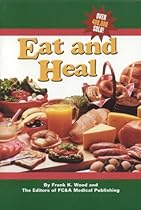 The most common flavonoids are called flavonols, flavones, and isoflavones. Large studies prove that people who regularly eat foods rich in flavonoids are much less likely to develop heart disease or have a stroke than those who avoid such foods. Also, the flavonoids in green tea have shown an amazing ability to reduce the risk of cancer.
Organosulfur compounds. Garlic, the best-known food containing these, makes your immune system stronger, destroys germs, and keeps cancer-causing substances from forming. Isothiocyanates are a type of organosulfur compound found in cruciferous vegetables. The most common flavonoids are called flavonols, flavones, and isoflavones. Large studies prove that people who regularly eat foods rich in flavonoids are much less likely to develop heart disease or have a stroke than those who avoid such foods. Also, the flavonoids in green tea have shown an amazing ability to reduce the risk of cancer.
Organosulfur compounds. Garlic, the best-known food containing these, makes your immune system stronger, destroys germs, and keeps cancer-causing substances from forming. Isothiocyanates are a type of organosulfur compound found in cruciferous vegetables. |
Schuyler W. Lininger, Jr. DC
See book keywords and concepts |  Antioxidant flavonols and ischemic heart disease in a Welsh population of men: the Caerphilly Study. Am J Clin Nutr 1997; 65: 1489-94.
N-Acetyl Cysteine (NAC)
1. Boman G, Backer U, Larsson S, et al. Oral acetylcysteine reduces exacerbation rate in chronic bronchitis: a report of a trial organized by the Swedish Society for Pulmonary Diseases. Eur J Respir Dis 1983; 64: 405-15.
2. Multicenter Study Group. Long-term oral acetylcysteine in chronic bronchitis. A double-blind controlled study. Eur J Respir Dis 1980; 61: 111: 93-108.
3. de Quay B, Malinverni R, Lauterburg BH. Antioxidant flavonols and ischemic heart disease in a Welsh population of men: the Caerphilly Study. Am J Clin Nutr 1997; 65: 1489-94.
N-Acetyl Cysteine (NAC)
1. Boman G, Backer U, Larsson S, et al. Oral acetylcysteine reduces exacerbation rate in chronic bronchitis: a report of a trial organized by the Swedish Society for Pulmonary Diseases. Eur J Respir Dis 1983; 64: 405-15.
2. Multicenter Study Group. Long-term oral acetylcysteine in chronic bronchitis. A double-blind controlled study. Eur J Respir Dis 1980; 61: 111: 93-108.
3. de Quay B, Malinverni R, Lauterburg BH. |
Simon Mills and Kerry Bone
See book keywords and concepts | | Interest in the flavonols such as rutin and its aglycone quercetin has been augmented by a growing fascination with other phenolic molecules, the oligomeric procyanidins and the polyphenolics linked to the tannins, all very common constituents in dietary fruit and vegetables as well as in herbal remedies.
Flavonoids, a group of phenolic constituents found widely in plants, including most fruits and vegetables, have been found to possess a number of antiinflammatory effects, including, especially for rutin and others from the flavonol subgroup, effects on the microvasculature21 (see also p.31). |
Phyllis A. Balch, CNC
See book keywords and concepts |  Oligomeric Proanthocyanidins (OPCs)
Other common names: grapeseed extract, pine-bark extract GENERAL DESCRIPTION
Oligomeric proanthocyanidins, better known by the abbreviation OPCs, are classified as flavonols and are usually derived from grapeseeds or pine bark. They are also present in red wine, hops, and various flowers, leaves, fruits, berries, nuts, and beans, usually with high concentrations in skins, barks, and seeds. Oligomeric Proanthocyanidins (OPCs)
Other common names: grapeseed extract, pine-bark extract GENERAL DESCRIPTION
Oligomeric proanthocyanidins, better known by the abbreviation OPCs, are classified as flavonols and are usually derived from grapeseeds or pine bark. They are also present in red wine, hops, and various flowers, leaves, fruits, berries, nuts, and beans, usually with high concentrations in skins, barks, and seeds. |
page 2 of 3 | Next ->
FAIR USE NOTICE: The research quoted here is provided under the protection of Fair Use provisions and published by the 501(c)3 non-profit Consumer Wellness Center for the purposes of public comment and education. Authors / publishers may submit books for consideration of inclusion here.
TERMS OF USE: Read full terms of use. Citations of text from NaturalPedia must include: 1) Full credit to the original author and book title. 2) Secondary credit to the Natural News Naturalpedia as a research resource and a link to www.NaturalNews.com/np/index.html
This unique compilation of research is copyright (c) 2008 by the non-profit Consumer Wellness Center.
ABOUT THE CREATOR OF NATURALPEDIA: Mike Adams, the creator of this NaturalNews Naturalpedia, is the editor of NaturalNews.com, the internet's top natural health news site, creator of the Honest Food Guide (www.HonestFoodGuide.org), a free downloadable consumer food guide based on natural health principles, author of Grocery Warning, The 7 Laws of Nutrition, Natural Health Solutions, and many other books available at www.TruthPublishing.com, creator of the earth-friendly EcoLEDs company (www.EcoLEDs.com) that manufactures energy-efficient LED lighting products, founder of Arial Software (www.ArialSoftware.com), a permission e-mail technology company, creator of the CounterThink Cartoon series (www.NaturalNews.com/index-cartoons.html) and author of over 1,500 articles, interviews, special reports and reference guides available at www.NaturalNews.com. Adams' personal philosophy and health statistics are available at www.HealthRanger.org.
|
 |
Refine your search
with Flavonols...
...and Nutrients:...and Flavonoids
...and Quercetin
...and Antioxidant
...and Vitamin C
...and Pollen
...and Glycosides
...and Antioxidants
...and Enzyme
...and Tannins
...and Vitamin E
...and Concepts:...and Activity
...and Research
...and Studies
...and Study
...and Group
...and Activities
...and Species
...and Molecules
...and Preparations
...and Risk
...and Key Health Concepts:...and Plants
...and Chemicals
...and Chemical
...and Extracts
...and Herbs
...and Foods
...and Health
...and Nutrients
...and Products
...and Disease
...and Foods and Beverages:...and Tea
...and Chocolate
...and Sugar
...and Honey
...and Grape
...and Fruits
...and Vegetables
...and Fruits and vegetables
...and Sugars
...and Fruit
...and Substances:...and Acid
...and Extract
...and Acids
...and Bacteria
...and Water
...and Food
...and Oxygen
...and Essential oils
...and Carbon
...and Lead
...and Adjectives:...and Natural
...and Active
...and Red
...and Inhibited
...and Black
...and Major
...and New
...and Cold
...and Simple
...and Free
...and Physiology:...and Effects
...and Effect
...and Levels
...and Prevent
...and Blood sugar
...and Intake
...and Immune
...and Absorption
...and Balance
...and Improve
...and Plants and Herbs:...and Leaves
...and Saponins
...and Bark
...and Flowers
...and John's wort
...and St. john's wort
...and Leaf
...and Garlic
...and Arnica
...and Ginkgo biloba
...and Objects:...and Plant
...and Components
...and Seed
...and Animal
...and People
...and Compound
...and Vitamins
...and Company
...and Rain
...and University
...and Anatomy:...and Body
...and Liver
...and Blood
...and Kidney
...and Tissues
...and Mouth
...and Skin
...and Immune system
...and Tissue
...and Cells
...and Health Conditions and Diseases:...and Cancer
...and Inflammation
...and Heart disease
...and Ulcers
...and Diabetes
...and Cancers
...and Vomiting
...and Kidney stones
...and Arthritis
...and Wounds
...and Medical Adjectives:...and In vitro
...and Antiviral
...and Soluble
...and Biological
...and Antibacterial
...and Standardized
...and Therapeutic
...and Viral
...and Oral
...and Digestive
|
Related Concepts:
Flavonoids
Plant
In vitro
Acid
Activity
Quercetin
Extract
Effects
Tea
Antioxidant
Research
Flavones
Plants
Chocolate
Chemicals
Vitamin C
Natural
Cipo cabeludo
Study
Studies
Cancer
Pollen
Active
Acids
Sugar
Effect
Leaves
Glycosides
Honey
Chemical
Antioxidants
Extracts
Proanthocyanidins
Group
Saponins
Activities
Bacteria
Human
Levels
Enzyme
Tannins
Species
Bark
Components
Pine bark
Inflammation
Grape
Heart disease
Flowers
Vitamin E
John's wort
Body
Liver
Blood
Properties
Herbs
Red
Inhibited
Molecules
Alkaloids
Antiviral
Prevent
Foods
Risk
Preparations
Health
Leaf
Water
Kidney vetch
St. john's wort
Derivatives
Tissues
Anti-inflammatory
Kidney
Black
Antioxidant activity
Major
Inhibitors
Food
Hypericum
Helenalin
Blood sugar
Nutrients
Fruits
Vegetables
Garlic
Products
Sources
Proteins
Ulcers
Disease
Sesquiterpene lactones
New
Pigments
Lactones
Dosages
Results
Enzymes
Protects against
Treatment
|









 Email this page to a friend