Margarita Artschwager Kay
See book keywords and concepts |  Hintonia contains quinine, the common drug used for malaria, as well as alkaloids, flavones, glycosides, and saponins (Weiss 1988:277). According to napralert, H. latiflora contains coumarins in the stem bark, and animal studies show antimalarial and antihyper-glycemic activity. Hintonia latiflora has been found to be among the most effective hypoglycemics (Perez et al. 1984).
Hintonia
1. Widely used for diabetes and fever.
2. Has antimalarial and hypoglycemic activity.
3. No reports of toxicity.
¦ Ibervillea (Cucurbitaceae)
COYOTE MELON
Ibervillea sonorae (S. Wats. Hintonia contains quinine, the common drug used for malaria, as well as alkaloids, flavones, glycosides, and saponins (Weiss 1988:277). According to napralert, H. latiflora contains coumarins in the stem bark, and animal studies show antimalarial and antihyper-glycemic activity. Hintonia latiflora has been found to be among the most effective hypoglycemics (Perez et al. 1984).
Hintonia
1. Widely used for diabetes and fever.
2. Has antimalarial and hypoglycemic activity.
3. No reports of toxicity.
¦ Ibervillea (Cucurbitaceae)
COYOTE MELON
Ibervillea sonorae (S. Wats. |
Sharol Tilgner, N.D.
See book keywords and concepts |  The flavones affect the calcium metabolism of the myocardium by inhibiting phosphodiesterase. 48 This increases its ability to contract and support a normal rhythm. Hawthorne can most certainly be called a cardiovascular tonic, improving overall cardiac function. It contains two main groups of active principles, flavonoids, including hyperoside, vitexin 2"rhamnoside and rutin and oligomeric procyanidins.46
Contraindications: Hawthorne can decrease the need for cardiac drugs like digitoxin, digoxin and other cardiac glycosides. The flavones affect the calcium metabolism of the myocardium by inhibiting phosphodiesterase. 48 This increases its ability to contract and support a normal rhythm. Hawthorne can most certainly be called a cardiovascular tonic, improving overall cardiac function. It contains two main groups of active principles, flavonoids, including hyperoside, vitexin 2"rhamnoside and rutin and oligomeric procyanidins.46
Contraindications: Hawthorne can decrease the need for cardiac drugs like digitoxin, digoxin and other cardiac glycosides. | | Some plants reduce inflammation via constituents called salicylates, others contain precursors to steroids and others via flavones and flavonoids. Many essential oils have an antiinflammatory action. Inflammation is a natural response of the body to irritation. It may be counterproductive to decrease the inflammatory process. If the process does not heal on its own, it is necessary to evaluate the cause of the inflammation and treat the underlying condition. In cases where inflammation is life threatening, it needs to be immediately be addressed. |
Simon Mills and Kerry Bone
See book keywords and concepts |  An antiinflammatory effect was demonstrated by topical administration of standardized chamomile extract, the flavone fraction and isolated flavones (apigenin, luteolin and quercetin) in experimental dermatitis (croton oil in mouse ear). The lipophilic flavone fraction demonstrated stronger activity than the total chamomile extract. The action of apigenin was superior to that of the reference drugs indomethacin and phenylbutazone.23
The antiinflammatory efficacy of topical compounds was measured directly and objectively on the skin of healthy volunteers using the tesa-film stripping technique. An antiinflammatory effect was demonstrated by topical administration of standardized chamomile extract, the flavone fraction and isolated flavones (apigenin, luteolin and quercetin) in experimental dermatitis (croton oil in mouse ear). The lipophilic flavone fraction demonstrated stronger activity than the total chamomile extract. The action of apigenin was superior to that of the reference drugs indomethacin and phenylbutazone.23
The antiinflammatory efficacy of topical compounds was measured directly and objectively on the skin of healthy volunteers using the tesa-film stripping technique. | | Flavonoids, including methylated flavones;14 phenolic glycosides, aliphatic alcohols.15
• Biphenyl compounds;1617 phenolic acids, including rosmarinic acid.18
OH
Thymol Carvacrol
Spanish thyme has similar essential oil content and composition to that of common thyme but a higher amount of carvacrol and less thymol methyl ether
(0.3%).13
PHARMACODYNAMICS Spasmolytic activity
Extracts of dried thyme inhibited agents which stimulate smooth muscle and also demonstrated a spasmolytic effect on various isolated smooth muscles. The relaxing effect of bradykinin was also potentiated. | | Skin penetration studies of the chamomile flavones apigenin, luteolin and apigenin 7-O-beta-glucoside were carried out with nine healthy female volunteers. Application chambers were fixed on the upper arms. The decline of flavonoid concentration from the skin was measured over 7 hours. Apigenin showed the greatest flux (i.e. the greatest amount of flavonoid per time and area), followed by luteolin. Penetration of apigenin 7-O-beta-glucoside was negligible. A steady state was attained after 3 hours, indicating that the flavonoids penetrated through further skin layers. |
Thomas Bartram
See book keywords and concepts |  Constituents: xanthone derivatives, iridoids, alkaloids, flavones.
Action: bitter tonic, digestive, liver stimulant, febrifuge, antimalarial, anthelmintic.
Uses. Feeble digestion, lack of appetite. Wasting and cachetic conditions. Used for malaria before discovery of Peruvian bark. Liver damage and complaints. "Ascites due to liver involvement."
(Baiter, 1871, Ghani, 1913)
Preparations. Thrice daily.
Tea: half-1 teaspoon to each cup boiling water; infuse 15 minutes; dose: Half-1 cup.
Liquid Extract BHP (1983) 1:1 in 25 per cent alcohol. Dose: 2 to 4ml.
Powder: half-2 grams. Constituents: xanthone derivatives, iridoids, alkaloids, flavones.
Action: bitter tonic, digestive, liver stimulant, febrifuge, antimalarial, anthelmintic.
Uses. Feeble digestion, lack of appetite. Wasting and cachetic conditions. Used for malaria before discovery of Peruvian bark. Liver damage and complaints. "Ascites due to liver involvement."
(Baiter, 1871, Ghani, 1913)
Preparations. Thrice daily.
Tea: half-1 teaspoon to each cup boiling water; infuse 15 minutes; dose: Half-1 cup.
Liquid Extract BHP (1983) 1:1 in 25 per cent alcohol. Dose: 2 to 4ml.
Powder: half-2 grams. |
Josef A. Brinckmann and Michael P. Lindenmaier
See book keywords and concepts |  Lipids are also present, with 97% n-alkanes, isoalkenes and alkenes in the leaf wax. Other constituents include carbohydrates (about 6% acid-sensitive polysaccharides) and traces of salicylates [3].
Indications: Primarily on the basis of the essential oil content, as a carminative and stomachic for digestive disturbances, flatulence, feeling of repletion, but also to stimulate the appetite and gastric secretion. Less often, it is also used as a (probably only mildly active) choleretic, for which the bitter substances content is responsible [5]. Lipids are also present, with 97% n-alkanes, isoalkenes and alkenes in the leaf wax. Other constituents include carbohydrates (about 6% acid-sensitive polysaccharides) and traces of salicylates [3].
Indications: Primarily on the basis of the essential oil content, as a carminative and stomachic for digestive disturbances, flatulence, feeling of repletion, but also to stimulate the appetite and gastric secretion. Less often, it is also used as a (probably only mildly active) choleretic, for which the bitter substances content is responsible [5]. |
James A. Duke, Ph.D.
See book keywords and concepts |  Research has shown that chamomile oil contains several anti-inflammatory compounds, including chamazulene, a-bisabolol, and flavones such as apigenin. The herb is also bactericidal and fungicidal, especially good against yeast (Candida albicans) and staph bacteria (Staphylococcus aureus).
Commission E approves the topical application of chamomile as a treatment for dermatitis, rashes, and skin irritations. Extracts of the whole flower work better than individual constituent compounds. Research has shown that chamomile oil contains several anti-inflammatory compounds, including chamazulene, a-bisabolol, and flavones such as apigenin. The herb is also bactericidal and fungicidal, especially good against yeast (Candida albicans) and staph bacteria (Staphylococcus aureus).
Commission E approves the topical application of chamomile as a treatment for dermatitis, rashes, and skin irritations. Extracts of the whole flower work better than individual constituent compounds. |
volker schulz and Rudolf Hansel
See book keywords and concepts |  Arnica has traditionally been used in the form of tinctures, particularly for external application. Several arnica-based ointments are currently marketed in Germany.
Experimental studies on the effects of arnica preparations have demonstrated antimicrobial, anti-inflammatory, respiratory-stimulant, positive inotropic, and tonus-in-creasing (uterus) actions. Arnica has traditionally been used in the form of tinctures, particularly for external application. Several arnica-based ointments are currently marketed in Germany.
Experimental studies on the effects of arnica preparations have demonstrated antimicrobial, anti-inflammatory, respiratory-stimulant, positive inotropic, and tonus-in-creasing (uterus) actions. |
Elson M. Haas, M.D.
See book keywords and concepts |  Vitamin P includes a number of components that work together—citrin, hes-peridin, rutin, flavones, flavonals, and cat-echin and quercetin, which will also be discussed in Chapter 7, Accessory Nutrients. Their association with vitamin C is the reason that natural forms of vitamin C are more effective than are synthetic ascorbic acids without the bioflavonoids in the equivalent amounts.
Vitamin P was first discovered in 1936 by Soviet scientist Dr. Albert Szent-Gyorgyi, who found it within the white of the rind in citrus fruits. Vitamin P includes a number of components that work together—citrin, hes-peridin, rutin, flavones, flavonals, and cat-echin and quercetin, which will also be discussed in Chapter 7, Accessory Nutrients. Their association with vitamin C is the reason that natural forms of vitamin C are more effective than are synthetic ascorbic acids without the bioflavonoids in the equivalent amounts.
Vitamin P was first discovered in 1936 by Soviet scientist Dr. Albert Szent-Gyorgyi, who found it within the white of the rind in citrus fruits. |
Textbook of Natural Medicine 2nd Edition Volume 1Michael T. Murray, ND
See book keywords and concepts | | Antiviral activity of flavones and flavins. Plant flavonoids in biology and medicine: biochemical, pharmacological, and structure-activity relationships. New York: Alan R Liss. 1986: p 521-536
55. Ball EG. Studies on oxidation-reduction. XXII. Lapachol, Lomatiol, and related compounds. J Biol Chem 1936; 114: 649-655
Tanacetum parthenium (feverfew)
Michael T. Murray, ND Joseph E. | | They include many of the compounds that account for plant pigments (anthocyanins, anthoxanthins, apigenins, flavones, flavonols, bioflavonols, etc.). These plant pigments exert a wide variety of physiological effects in the human body.
Fluid extracts - these extracts are typically hydro-alcoholic solutions with a strength of one part solvent to one part herb. The alcohol content varies with each product. They are, in essence, concentrated tinctures, constructed to represent 1 grain of the crude drug to 1 minim of fluid extract. | | Wu ES, Loch JT 3rd, Toder BH et al. flavones. 3. Synthesis, biological activities, and conformational analysis of isoflavone derivatives and related compounds. J Med Chem 1992;
18:3519-3525
43. Hirano T, Oka K, Akiba M. Antiproliferative effects of synthetic and naturally occurring flavonoids on tumor cells of the human breast carcinoma cell line, ZR-75-1. Res Cornmun Chem Pathol Pharmacol 1989; 64: 69-78
44. Franke AA, Custer LJ. Daidzein and genistein concentrations in human milk after soy consumption. Clin Chem 1996; 42: 955-964
45. Sheehan DM. |
Textbook of Natural Medicine 2nd Edition Volume 2Michael T. Murray, ND
See book keywords and concepts | | A number of flavonoids also inhibit cAMP phosphodiesterase, with maximal activity from the flavonols quercetin and hyperoside, the flavones orientin and vitexin, and the flavanone naringen.25 However, the common flavanol, rutin, has less than one-tenth the activity of quercetin, which has been shown to greatly increase the level of cAMP in human platelets.26 Flavonoid extracts from Vaccinium myrtillus, Rosa damascena, Ruta graveolens, Prunus spinosa and Crataegus pentagyna were the most potent inhibitors, according to one study. |
Committee on Diet, Nutrition, and Cancer, Assembly of Life Sciences National Research Council
See book keywords and concepts |  The mutagenic and carcinogenic effects of flavones are discussed in Chapter 13.
Protease Inhibitors. Protease inhibitors are widely distributed in plants, and are particularly abundant in seeds. Soybeans, a major source of protein in many vegetarian diets, and lima beans contain a variety of these compounds.
Protease inhibitors have in common the ability to inhibit protease enzymes as well as tumor promotion (Troll, 1981). Inhibition of this type has been demonstrated using the two-stage model to study skin carcinogenesis in the mouse. The mutagenic and carcinogenic effects of flavones are discussed in Chapter 13.
Protease Inhibitors. Protease inhibitors are widely distributed in plants, and are particularly abundant in seeds. Soybeans, a major source of protein in many vegetarian diets, and lima beans contain a variety of these compounds.
Protease inhibitors have in common the ability to inhibit protease enzymes as well as tumor promotion (Troll, 1981). Inhibition of this type has been demonstrated using the two-stage model to study skin carcinogenesis in the mouse. | | Inhibition of BaP-induced carcinogenesis has been studied with three flavones: two synthetic compounds — 6-naphthoflavone (5,6-benzoflavone) and quercetin pentamethyl ether — and one naturally occurring compound — rutin (3,3',41,5,7-pentahydroxyflavone-3-rutinoside). Quercetin pentamethyl ether is sometimes substituted for tangeretin, a naturally occurring pentamethoxy flavone found in citrus fruits. | | Inhibition of the carcinogenic action of benzo(a)pyrene by flavones. Cancer Res. 30:1922-1925.
Wattenberg, L. W., and W. D. Loub. 1978. Inhibition of polycyclic hydrocarbon-induced neoplasia by naturally occurring indoles. Cancer Res. 38:1410-1413.
Wattenberg, L. W., J. B. Coccia, and L. K. T. Lam. 1980. Inhibitory effects of phenolic compounds on benzo(a_)pyrene-induced neoplasia. Cancer Res. 40:2820-2823.
Section C Patterns of Diet and Cancer
In Sections A and B the committee reviewed the evidence concerning the role of specific nutrients and nonnutritive dietary components. | | Among these constituents are phenols, indoles, aromatic isothiocyanates, flavones, protease inhibitors, and the plant sterol g-sitosterol, which are discussed below along with related studies of the effects of individual foods.
Effects of Selected Chemicals
The administration of selected chemicals in this category has been shown to inhibit both initiation and promotion of chemically induced neoplasia in virtually all organs of laboratory animals. |
Sheldon Saul Hendler and David Rorvik
See book keywords and concepts |  RESEARCH SUMMARY
Epidemiological evidence has suggested for some time that dietary intake of flavonols and flavones is inversely associated with coronary heart disease. It has been hypothesized that the ability of flavonoids to inhibit lipid peroxidation, demonstrated both in vitro and in various animal models, might, at least partially, account for this association.
More recently, however, a double-blind, placebo-controlled study compared one-gram daily of oral quercetin with placebo in 27 healthy subjects. RESEARCH SUMMARY
Epidemiological evidence has suggested for some time that dietary intake of flavonols and flavones is inversely associated with coronary heart disease. It has been hypothesized that the ability of flavonoids to inhibit lipid peroxidation, demonstrated both in vitro and in various animal models, might, at least partially, account for this association.
More recently, however, a double-blind, placebo-controlled study compared one-gram daily of oral quercetin with placebo in 27 healthy subjects. |
Josef A. Brinckmann and Michael P. Lindenmaier
See book keywords and concepts | | The following assay is useful for the detection of leaves from other Orthosiphon species (see also: Adulteration).
Stationary phase: 5 x 10 cm silica gel 60 F254 (plates or foil).
Test solution: Heat 1.0 g of the powdered drug with 5 ml methanol under reflux for 10 min and filter warm. Apply 3 ul of the filtrate as a band (10x2 mm).
Reference solution: Dissolve 1 mg scopoletin in 10 ml methanol. Apply 2 pi as a band (10 x 2 mm).
Mobile phase: Toluene: acetone: formic acid (40:60:0.5). Develop over a path of 8 cm in 11 min. |
Earl Mindell
See book keywords and concepts |  Vitamin P (C Complex, Citrus Bioflavonoids, Rutin, Hesperidin)
Facts:
Water soluble and composed of citrin, rutin, and hesperidin, as well as flavones and flavonals.
Usually measured in milligrams (mg.).
Necessary for the proper function and absorption of vitamin C.
Flavonoids are the substances that provide that yellow and orange color in citrus foods. (See section 104.)
Also called the capillary permeability factor. (P stands for permeability.) The prime function of bioflavonoids is to increase capillary strength and regulate absorption. Vitamin P (C Complex, Citrus Bioflavonoids, Rutin, Hesperidin)
Facts:
Water soluble and composed of citrin, rutin, and hesperidin, as well as flavones and flavonals.
Usually measured in milligrams (mg.).
Necessary for the proper function and absorption of vitamin C.
Flavonoids are the substances that provide that yellow and orange color in citrus foods. (See section 104.)
Also called the capillary permeability factor. (P stands for permeability.) The prime function of bioflavonoids is to increase capillary strength and regulate absorption. |
Josef A. Brinckmann and Michael P. Lindenmaier
See book keywords and concepts | | Besides caffeic acid and other phenolic car-boxylic acids, coumarins and sesamin-type lignans have been identified. The occurrence of polyacetylenes seems to be limited to the roots [11].
Indications: As a bitter aromatic appetite stimulant and for gastrointestinal tract disorders, e.g. gastritis with acid deficiency. Also in chronic gastritis, due to the mild hyperemic action of its volatile oil.
Also as a carminative, choleretic and for disorders of the intestines and bile duct
2 mm
Fig. | | The drug contains 0.3-0.8% sparteine-type alkaloids, mainly cytisine, N-methylcytisine, ana-gyrine and lupanine [4, 5]. Also present are small amounts of tannin and traces of an essential oil, which has not been further investigated.
Indications: It is used primarily in folk medicine as a diuretic (see also: German Standard License) and also as a laxative. It is also used as a remedy for rheumatic complaints and gout, though only in folk medicine. |
Donald R. Yance, j r.,C.N., M.H., A.H.G., with Arlene Valentine
See book keywords and concepts |  It also contains the flavones quercetin and kaempferol.
Prickly Ash [Zanthoxylum)
A diaphoretic and alterative, prickly ash is used for xerostomia (dry mouth). It contains many complex alkaloids, coumarins, amides, and volatile oils. Che-lerythrine, one of its many alkaloids, has displayed antimicrobial and antiviral activities. Fagaramide, another alkaloid contained in prickly ash, is a potent prostaglandin inhibitor.
Propolis
Propolis is a gluelike resin made by bees and used by them as a building material and antiseptic agent within their hives. It also contains the flavones quercetin and kaempferol.
Prickly Ash [Zanthoxylum)
A diaphoretic and alterative, prickly ash is used for xerostomia (dry mouth). It contains many complex alkaloids, coumarins, amides, and volatile oils. Che-lerythrine, one of its many alkaloids, has displayed antimicrobial and antiviral activities. Fagaramide, another alkaloid contained in prickly ash, is a potent prostaglandin inhibitor.
Propolis
Propolis is a gluelike resin made by bees and used by them as a building material and antiseptic agent within their hives. | | The major components found in lapacho are flavones, such as quercetin and quinones. American research has shown that lapacho inhibits some solid tumors, such as Walker carcinosarcoma 256, Ehrlich solid carcinomas, and Ehrlich ascites cell tumors. Lapacho is also a mild analgesic for cancer patients and is completely safe as a whole herb.
Lapacho has also demonstrated properties as an antioxidant, antibacterial, antiparasitic, and antifungal, which is why it is commonly used to combat yeast infections.
The best way to take this herb is in a decoction, drinking up to 1 quart of tea daily. | | Among the other biologically active compounds found in this plant are the phytosteroids beta sitosterol and campesterol, catechins (like those found in green tea), glycosides, and the flavones quercetin and rutin.9
Because this plant is very hard and woody, pills and capsules are of little value. I believe the best way to use this plant is in a high-quality extract, although a decoction, the traditional way of preparing this herb, is also of great benefit. | | In addition, two important flavones found in citrus fruit are nobiletin and tangeretin. Tangeretin, found in tangerines, strengthens E-caderin, which inhibits cell-endothelial adhesion, a very important step in the metastatic process of cancer.
When eating citrus fruit, don't throw away the peel because it contains a remarkable anticancer substance called D-limonene, a monoterpene that has been used in a clinical trial in England as a monotherapy for people with pancreatic and colorectal cancers. Small bits of organic orange peel go well in salads or can be added to any tea. |
Dr. Gary Null
See book keywords and concepts |  Acacetin and luteolin, flavones isolated from the plant Striga lutea, were administered orally to rats from days 1 to 4 of pregnancy. Results showed dose-dependent anti-implantation activity: one dose at 10 mg/kg body weight on day 1, 2, or 3 of pregnancy was 100 percent effective in preventing implantation.
S. P. Hiremath and S. H. Rao, "AntifertiIity Efficacy of the Plant Striga Lutea (Scrophulariacae) on Rats," Contraception 42, no. 4 (October 1990): 467-77.
Petroleum ether and chloroform extracts from Striga lutea show significant antifertility activity in mice.
S. P. Hiremath et al. Acacetin and luteolin, flavones isolated from the plant Striga lutea, were administered orally to rats from days 1 to 4 of pregnancy. Results showed dose-dependent anti-implantation activity: one dose at 10 mg/kg body weight on day 1, 2, or 3 of pregnancy was 100 percent effective in preventing implantation.
S. P. Hiremath and S. H. Rao, "AntifertiIity Efficacy of the Plant Striga Lutea (Scrophulariacae) on Rats," Contraception 42, no. 4 (October 1990): 467-77.
Petroleum ether and chloroform extracts from Striga lutea show significant antifertility activity in mice.
S. P. Hiremath et al. |
Robert S. McCaleb, Evelyn Leigh, and Krista Morien
See book keywords and concepts | 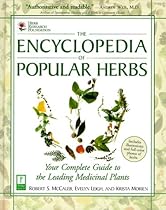 Struck D, Tegtmeier M, Harnischfeger G. flavones in extracts of Cimicifuga racemosa. Planta Medica 1997; 63: 289.
12. Meldrum DR, Tataryn IV, Frumar AM, et al. Gonadotropins, estrogens and adrenal steroids during menopausal hot flash. Journal of Clinical Endocrinology and Metabolism 1980; 50(4): 685-689.
13. Diiker EM, Kopanski L, Jarry H, et al. Effects of extracts from Cimicifuga racemosa on gonadotropin release in menopausal women and ovariectomized rats. Planta Medica 1991;57:420-424.
14. Einer-Jensen N, Zhao J, Andersen KP, et al. Struck D, Tegtmeier M, Harnischfeger G. flavones in extracts of Cimicifuga racemosa. Planta Medica 1997; 63: 289.
12. Meldrum DR, Tataryn IV, Frumar AM, et al. Gonadotropins, estrogens and adrenal steroids during menopausal hot flash. Journal of Clinical Endocrinology and Metabolism 1980; 50(4): 685-689.
13. Diiker EM, Kopanski L, Jarry H, et al. Effects of extracts from Cimicifuga racemosa on gonadotropin release in menopausal women and ovariectomized rats. Planta Medica 1991;57:420-424.
14. Einer-Jensen N, Zhao J, Andersen KP, et al. |
page 4 of 6 | Next ->
FAIR USE NOTICE: The research quoted here is provided under the protection of Fair Use provisions and published by the 501(c)3 non-profit Consumer Wellness Center for the purposes of public comment and education. Authors / publishers may submit books for consideration of inclusion here.
TERMS OF USE: Read full terms of use. Citations of text from NaturalPedia must include: 1) Full credit to the original author and book title. 2) Secondary credit to the Natural News Naturalpedia as a research resource and a link to www.NaturalNews.com/np/index.html
This unique compilation of research is copyright (c) 2008 by the non-profit Consumer Wellness Center.
ABOUT THE CREATOR OF NATURALPEDIA: Mike Adams, the creator of this NaturalNews Naturalpedia, is the editor of NaturalNews.com, the internet's top natural health news site, creator of the Honest Food Guide (www.HonestFoodGuide.org), a free downloadable consumer food guide based on natural health principles, author of Grocery Warning, The 7 Laws of Nutrition, Natural Health Solutions, and many other books available at www.TruthPublishing.com, creator of the earth-friendly EcoLEDs company (www.EcoLEDs.com) that manufactures energy-efficient LED lighting products, founder of Arial Software (www.ArialSoftware.com), a permission e-mail technology company, creator of the CounterThink Cartoon series (www.NaturalNews.com/index-cartoons.html) and author of over 1,500 articles, interviews, special reports and reference guides available at www.NaturalNews.com. Adams' personal philosophy and health statistics are available at www.HealthRanger.org.
|
 |
Refine your search
with Flavones...
...and Substances:...and Acid
...and Extract
...and Essential oil
...and Water
...and Acids
...and Food
...and Tonic
...and Cream
...and Bacteria
...and Oxygen
...and Nutrients:...and Flavonoids
...and Quercetin
...and Vitamin C
...and Antioxidant
...and Alkaloids
...and Vitamin
...and Glycosides
...and Enzyme
...and Tannins
...and Isoflavones
...and Concepts:...and Activity
...and Studies
...and Study
...and Research
...and Activities
...and Preparations
...and Group
...and Expression
...and Species
...and Minutes
...and Physiology:...and Effects
...and Effect
...and Immune
...and Increase
...and Inhibition
...and Helps
...and Circulation
...and Inhibits
...and Improve
...and Prevent
...and Plants and Herbs:...and Ginkgo
...and Flowers
...and Saponins
...and Chamomile
...and Leaves
...and Root
...and Bark
...and Leaf
...and Roots
...and Pepper
...and Key Health Concepts:...and Herb
...and Drug
...and Plants
...and Herbs
...and Extracts
...and Foods
...and Health
...and Medicine
...and Products
...and Chemicals
...and Adjectives:...and Isolated
...and Active
...and Red
...and Inhibited
...and Essential
...and Whole
...and Clinical
...and Natural
...and Black
...and Dried
...and Objects:...and Plant
...and Oil
...and People
...and Animal
...and Agents
...and Vitamins
...and Compound
...and Components
...and Produce
...and Hour
...and Anatomy:...and Cells
...and Skin
...and Body
...and Liver
...and Heart
...and Blood
...and Tissues
...and Stomach
...and Glands
...and Thymus
...and Medical Adjectives:...and In vitro
...and Standardized
...and Therapeutic
...and Cardiac
...and Adverse
...and Respiratory
...and Oral
...and Antiviral
...and Topical
...and Peripheral
...and Health Conditions and Diseases:...and Cancer
...and Inflammation
...and Pain
...and Cancers
...and Candida
...and Diabetes
...and Tumors
...and Rheumatism
...and Heart disease
...and Bronchitis
...and Medical Terms:...and Properties
...and Dose
...and Inhibitors
...and Dosage
...and Doses
...and Dosages
...and Results
...and Gene
...and Drops
...and Infusion
...and Foods and Beverages:...and Honey
...and Tea
...and Fruit
...and Bean
...and Citrus
...and Alcohol
...and Vegetables
...and Sugar
...and Juice
...and Cabbage
...and Actions:...and Actions
...and Growth
...and Avoid
...and Drink
...and Drying
...and Binding
...and Boiling
...and Eat
...and Protects
...and Growing
...and Who:...and Human
...and Family
...and Patients
...and Female
...and Male
...and Volunteers
...and Japanese
...and Practitioners
...and Smokers
...and Animals
...and Properties:...and Antimicrobial
...and Anti-inflammatory
...and Antiseptic
...and Oxidation
...and Relieving
...and Relieves
...and Analgesic
...and Expectorant
...and Antifungal
...and Aphrodisiac
|
Related Concepts:
Acid
Flavonoids
Activity
Effects
Effect
Plant
Extract
In vitro
Studies
Quercetin
Herb
Isolated
Ginkgo
Flowers
Oil
Cells
Apigenin
Study
Cancer
Drug
Essential oil
Active
Vitamin C
Antioxidant
Saponins
Skin
Inflammation
Properties
Chamomile
Water
Plants
Research
Leaves
Red
Activities
Dose
Flavonols
Antimicrobial
Inhibited
Root
Body
Standardized
Bark
Honey
Anti-inflammatory
Herbs
Tea
Immune
Alkaloids
Essential
Human
Luteolin
Extracts
Preparations
Seeds
Whole
Antimicrobial activity
Vitamin
Acids
Foods
Liver
Increase
Health
Glycosides
Inhibition
Medicine
Enzyme
Products
Tannins
Clinical
Family
Isoflavones
Concentration
Natural
Chemicals
Group
Drugs
Inhibitors
Patients
Leaf
Black
Expression
Actions
Treatment
Symptoms
Helps
Fruit
People
Dosage
Circulation
Food
Heart
Coumarins
Doses
Blood
Therapeutic
Calcium
Yellow
Dried
Tonic
|









 Email this page to a friend