Michael T. Murray
See book keywords and concepts |
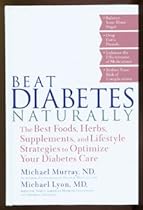 However, since carrots have such a low glycemic load, they are a perfectly acceptable food for diabetics; since they are such a rich source of carotene, all diabetics should consume them regularly.
Perhaps even more important for diabetics than carotenes are another group of plant pigments known as flavonoids. These are sometimes called "nature's biological response modifiers" because of their anti-inflammatory, antiallergic, antiviral, and anticancer properties. They also appear to offer some protection against the development of diabetes. However, since carrots have such a low glycemic load, they are a perfectly acceptable food for diabetics; since they are such a rich source of carotene, all diabetics should consume them regularly.
Perhaps even more important for diabetics than carotenes are another group of plant pigments known as flavonoids. These are sometimes called "nature's biological response modifiers" because of their anti-inflammatory, antiallergic, antiviral, and anticancer properties. They also appear to offer some protection against the development of diabetes. |
Gabriel Cousens
See book keywords and concepts |
 Please note that the provitamin carotene, which is converted by the body to utilizable vitamin A, cannot be toxic like animal-sourced vitamin A.
ALPHA LIPOIC ACID (ALA)
One of the most important antioxidants, although we need a variety of them, is alpha lipoic acid. ALA helps with a variety of problems, one of which is the cardiovascular complications of diabetes having to do with small-vessel damage from inflammation. We also use a proteolytic enzyme called Vitalzym X to neutralize and reverse this inflammatory process. Please note that the provitamin carotene, which is converted by the body to utilizable vitamin A, cannot be toxic like animal-sourced vitamin A.
ALPHA LIPOIC ACID (ALA)
One of the most important antioxidants, although we need a variety of them, is alpha lipoic acid. ALA helps with a variety of problems, one of which is the cardiovascular complications of diabetes having to do with small-vessel damage from inflammation. We also use a proteolytic enzyme called Vitalzym X to neutralize and reverse this inflammatory process. |
Mark Bricklin
See book keywords and concepts |
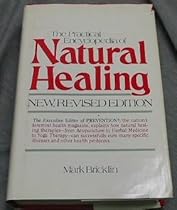 When they examined the specific data on carotene intake, they discovered that among the 488 men who had the lowest level of carotene consumption, there were 14 cases of lung cancer. But in a group of the same size that ate the most carotene, there were only two cases. What's more, even long-term cigarette smokers seemed to be protected by beta-carotene, only to a lesser degree (Lancet, November 28, 1981). No other nutritional difference seemed significant. When they examined the specific data on carotene intake, they discovered that among the 488 men who had the lowest level of carotene consumption, there were 14 cases of lung cancer. But in a group of the same size that ate the most carotene, there were only two cases. What's more, even long-term cigarette smokers seemed to be protected by beta-carotene, only to a lesser degree (Lancet, November 28, 1981). No other nutritional difference seemed significant. |
Ronald Klatz and Robert Goldman
See book keywords and concepts |
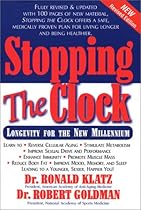 On the one hand, if your thyroid is underactive, it can't properly convert beta-carotene into this essential vitamin, and carotene may accumulate. This accumulation can cause the carotene to bind to the cells of the corpus luteum, preventing vitamin A from forming the vital hormone progesterone. Some people with hypothyroidism may evidence a slight yellowish tinge on their skins, revealing that the beta-carotene they're consuming—in food sources or in daily supplements—is remaining unconverted within their systems.
On the other hand, a body with a low level of vitamin A can't produce TSH. On the one hand, if your thyroid is underactive, it can't properly convert beta-carotene into this essential vitamin, and carotene may accumulate. This accumulation can cause the carotene to bind to the cells of the corpus luteum, preventing vitamin A from forming the vital hormone progesterone. Some people with hypothyroidism may evidence a slight yellowish tinge on their skins, revealing that the beta-carotene they're consuming—in food sources or in daily supplements—is remaining unconverted within their systems.
On the other hand, a body with a low level of vitamin A can't produce TSH. |
Sheldon Saul Hendler and David Rorvik
See book keywords and concepts |
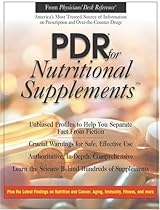 In fact, two intervention trials, the Alpha-Tocopherol, Beta-Carotene (ATBC) Cancer Prevention Study (the "Finnish study"), and the carotene and Retinol Efficacy Trial (CARET), both reported an unexpected increase in the number of lung cancer cases in the groups that received supplemental beta-carotene. The subjects in the ATBC and CARET studies were smokers. In the case of these studies, the mechanism, not of the possible anticarcino-genic activity of beta-carotene, but of its possible procarcino-genic activity, at least for smokers, requires elucidation. In fact, two intervention trials, the Alpha-Tocopherol, Beta-Carotene (ATBC) Cancer Prevention Study (the "Finnish study"), and the carotene and Retinol Efficacy Trial (CARET), both reported an unexpected increase in the number of lung cancer cases in the groups that received supplemental beta-carotene. The subjects in the ATBC and CARET studies were smokers. In the case of these studies, the mechanism, not of the possible anticarcino-genic activity of beta-carotene, but of its possible procarcino-genic activity, at least for smokers, requires elucidation. |
H. Winter Griffith, M.D.
See book keywords and concepts |
 Beta carotene
Decreased absorption of beta carotene.
Capreomycin
Increased chance of toxic effects on hearing, kidneys.
Cephalothin
Increased chance of toxic effect on kidneys.
Cisplatin
Increased chance of toxic effects on hearing, kidneys.
Ethacrynic acid
Increased chance of toxic effects on hearing, kidneys.
Furosemide
Increased chance of toxic effects on hearing, kidneys.
Mercaptomerin
Increased chance of toxic effects on hearing, kidneys.
Penicillins*
Decreased antibiotic effect.
Tiopronin
Increased risk of toxicity to kidneys. Beta carotene
Decreased absorption of beta carotene.
Capreomycin
Increased chance of toxic effects on hearing, kidneys.
Cephalothin
Increased chance of toxic effect on kidneys.
Cisplatin
Increased chance of toxic effects on hearing, kidneys.
Ethacrynic acid
Increased chance of toxic effects on hearing, kidneys.
Furosemide
Increased chance of toxic effects on hearing, kidneys.
Mercaptomerin
Increased chance of toxic effects on hearing, kidneys.
Penicillins*
Decreased antibiotic effect.
Tiopronin
Increased risk of toxicity to kidneys. |
Earl Mindell, R.Ph., Ph.D.
See book keywords and concepts |
 In the 1980s, beta carotene stole the spotlight because of studies that suggested it may protect against certain types of cancer. When researchers investigated whether other carotenoids could also have hidden benefits, the results were quite astonishing. Not only did some of these lesser-known carotenoids show significant anticancer activity, but many were even more potent than beta carotene. A case in point is alpha carotene, long neglected but now a rising star among supplements. In the 1980s, beta carotene stole the spotlight because of studies that suggested it may protect against certain types of cancer. When researchers investigated whether other carotenoids could also have hidden benefits, the results were quite astonishing. Not only did some of these lesser-known carotenoids show significant anticancer activity, but many were even more potent than beta carotene. A case in point is alpha carotene, long neglected but now a rising star among supplements. |
by Michael Murray, N.D. and Joseph Pizzorno, N.D.
See book keywords and concepts |
| This red carotene has been shown to be extremely protective against breast, colon, lung, skin, and prostate cancers. It has also been shown to lower the risk of heart disease, cataracts, and macular degeneration. Lycopene helps prevent these diseases and others by neutralizing harmful oxygen free radicals before they can do damage to cellular structures.
In one of the more detailed studies, Harvard researchers discovered that men who consumed the highest levels of lycopene (6. |
Michael Friedman, ND
See book keywords and concepts |
 The leaves also contain chlorophyll, xanthophylls, carotene, phytol, and lime salts. Gymnema sylvestre has also been found to reduce the bitter taste of certain foods.
Gymnema increases the activity of enzymes responsible for glucose uptake and utilization, and inhibits peripheral utilization of glucose by somatotrophin and corticotrophin. Extracts of this plant have also been found to inhibit epinephrine-induced hyperglycemia. The leaves also contain chlorophyll, xanthophylls, carotene, phytol, and lime salts. Gymnema sylvestre has also been found to reduce the bitter taste of certain foods.
Gymnema increases the activity of enzymes responsible for glucose uptake and utilization, and inhibits peripheral utilization of glucose by somatotrophin and corticotrophin. Extracts of this plant have also been found to inhibit epinephrine-induced hyperglycemia. |
H. Winter Griffith, M.D.
See book keywords and concepts |
| Beta carotene
Decreased absorption of beta carotene.
Dexfenfluramine
May require dosage change as weight loss occurs.
Dextrothyroxine
Decreased dextrothyroxine effect.
Digitalis
Decreased digitalis preparations* effect.
Indapamide
Decreased indapamide effect.
Penicillins*
May decrease penicillin effect.
Raloxifene
Decreased effect of raloxifene.
Thiazides*
Decreased absorption of cholestyramine.
Thyroid hormones*
Decreased thyroid effect.
Trimethoprim
Decreased absorption of cholestyramine.
Troglitazone
Decreased effect of troglitazone. Avoid. |
Gary Null
See book keywords and concepts |
 In raw carrots, for example, the carotene is not readily available because it is found inside the indigestible cell walls. To get the most vitamin A per carrot, juice them!
And by the way, the human digestive system is not particularly well equipped for converting carotene into vitamin A. Studies show that only one-sixth of the carotene you eat may be converted to vitamin A. Beyond that, only a third of that amount may actually be digested.
How much vitamin A should you take? Since each of us is biochemically different, the suggested intake varies. In raw carrots, for example, the carotene is not readily available because it is found inside the indigestible cell walls. To get the most vitamin A per carrot, juice them!
And by the way, the human digestive system is not particularly well equipped for converting carotene into vitamin A. Studies show that only one-sixth of the carotene you eat may be converted to vitamin A. Beyond that, only a third of that amount may actually be digested.
How much vitamin A should you take? Since each of us is biochemically different, the suggested intake varies. |
Henry Pasternak, D.V.M., C.V.A.
See book keywords and concepts |
 This study indicates that oral beta carotene may be effective in increasing the immunological competence of a patient who has a depressed T-Helper lymphocyte count such as in cancer or viral infections. Since the thymus gland is so susceptible to free radical damage, beta carotene may be even more helpful in protecting the immune system than vitamin A. I recommend only natural beta carotene from food or food concentrates. This study indicates that oral beta carotene may be effective in increasing the immunological competence of a patient who has a depressed T-Helper lymphocyte count such as in cancer or viral infections. Since the thymus gland is so susceptible to free radical damage, beta carotene may be even more helpful in protecting the immune system than vitamin A. I recommend only natural beta carotene from food or food concentrates. |
Mark Sircus
See book keywords and concepts |
 The fibrous material augments healthy digestion and overall digestive track health.
Chlorella's cleansing action on the bowel and other elimination channels, as well as its protection of the liver, helps keep the blood clean. Clean blood assures that metabolic wastes are efficiently carried away from the tissues. Chlorella gets its name from the high amount of chlorophyll it possesses.
Chlorella contains more chlorophyll per gram than any other plant. Chlorella can speed up the rate of cleansing of the bowel, bloodstream and liver, by supplying plenty of chlorophyll. The fibrous material augments healthy digestion and overall digestive track health.
Chlorella's cleansing action on the bowel and other elimination channels, as well as its protection of the liver, helps keep the blood clean. Clean blood assures that metabolic wastes are efficiently carried away from the tissues. Chlorella gets its name from the high amount of chlorophyll it possesses.
Chlorella contains more chlorophyll per gram than any other plant. Chlorella can speed up the rate of cleansing of the bowel, bloodstream and liver, by supplying plenty of chlorophyll. |
Andrew Pengelly
See book keywords and concepts |
 In reality, carotenoids are incompletely absorbed and 6 (jug of p carotene is equivalent to 1 u,g retinol equivalent (RE). Carotenoids with hydroxylated ionone rings (e.g. lutein) provide no vitamin A activity (Eitenmiller and Landen 1999).
Despite having no provitamin A function, carotenoids such as lycopene and lutein are still biologically active. High serum lycopene beta-carotene concentrations have been linked to a reduced risk of atherosclerosis, while preventative effects against heart disease and cancer have also been reported. In reality, carotenoids are incompletely absorbed and 6 (jug of p carotene is equivalent to 1 u,g retinol equivalent (RE). Carotenoids with hydroxylated ionone rings (e.g. lutein) provide no vitamin A activity (Eitenmiller and Landen 1999).
Despite having no provitamin A function, carotenoids such as lycopene and lutein are still biologically active. High serum lycopene beta-carotene concentrations have been linked to a reduced risk of atherosclerosis, while preventative effects against heart disease and cancer have also been reported. |
Henry Pasternak, D.V.M., C.V.A.
See book keywords and concepts |
| As previously stated, cats lack a crucial enzyme needed to convert beta carotene into vitamin A.
Carotenoids are naturally occurring colorful compounds that are abundant as pigments in plants. Although more than six hundred specific carotenoids have been identified, only a limited number are important. The major ones are alpha-carotene, beta carotene, lutein, zeaxanthin, cryptoxanthin, and lycopene.38,39
A number of carotenoids are effective in preventing or controlling free radical generation. |
Ben-Erik van Wyk
See book keywords and concepts |
 Nutritional value Canistels are nutritious, as they contain significant amounts of calcium, phosphorus, niacin, carotene, ascorbic acid and amino acids (notably tryptophane and lysine). The energy yield is 160 kcal per 100 g.
Primus armeniaca apricot
Apricot leaves and fruits
Apricots
Description Apricot is a deciduous tree of up to 10 m in height. It bears round leaves, white flowers and rounded fruits with a yellow to orange, velvety skin. Nutritional value Canistels are nutritious, as they contain significant amounts of calcium, phosphorus, niacin, carotene, ascorbic acid and amino acids (notably tryptophane and lysine). The energy yield is 160 kcal per 100 g.
Primus armeniaca apricot
Apricot leaves and fruits
Apricots
Description Apricot is a deciduous tree of up to 10 m in height. It bears round leaves, white flowers and rounded fruits with a yellow to orange, velvety skin. |
Textbook of Natural Medicine 2nd Edition Volume 2Michael T. Murray, ND
See book keywords and concepts |
| The inverse relationship between serum retinol and carotene levels and cancer incidence holds true for oral carcinomas as well.9'10
Clinical studies which tested vitamin A in the treatment of leukoplakia used dosages which were generally quite high (i.e. 150,000-900,000IU/day), but extremely effective.3-6 Since it appears that beta-carotene is as effective as retinol in decreasing micronuclei levels and has a much higher therapeutic index, it is suggested that beta-carotene be the treatment of choice for this condition. |
| Even asymptomatic patients present a severe beta-carotene deficiency. carotene deficit and associated increase in free radicals are potentially harmful, suppressing HIV latency in infected macrophages, stimulating viral replication and decreasing cellular immunity.11
• Beta-carotene, 180 mg/day, increased CD4 counts by 17% in 4 weeks in a randomized controlled trial in HIV+ patients.12
• Supplementation decreases fever, nocturnal sweating, diarrhea, weight loss and improved mean CD4 counts. |
by Michael Murray, N.D. and Joseph Pizzorno, N.D.
See book keywords and concepts |
| While there appears to be no harm with as-taxanthin, there does appear to be some risk with using the synthetic carotene canthaxan-thin, as this compound was linked to retinal damage in people taking it as a sunless tanning pill. Although no government has banned can-thaxanthin from fish feed, most salmon growers are now using astaxanthin instead. Unfortunately, for consumers, there is no real way to know whether they are getting salmon colored with astaxanthin or canthaxanthin. |
Mark Stengler, N.D.
See book keywords and concepts |
 Beta carotene is the most well-known carotenoid but not necessarily the most potent. Other important carotenoids that have been the focus of recent research include alpha carotene, cryptoxanthin, lutein, lycopene, and zeaxanthin.
Some of the carotenoids are converted into vitamin A, but many are not. Essentially, nature has intended for us to get a mix of carotenoids.
In general, the brighter the food, the greater the carotenoid concentration. For example, a pale orange carrot contains less beta carotene than a dark orange carrot. Beta carotene is the most well-known carotenoid but not necessarily the most potent. Other important carotenoids that have been the focus of recent research include alpha carotene, cryptoxanthin, lutein, lycopene, and zeaxanthin.
Some of the carotenoids are converted into vitamin A, but many are not. Essentially, nature has intended for us to get a mix of carotenoids.
In general, the brighter the food, the greater the carotenoid concentration. For example, a pale orange carrot contains less beta carotene than a dark orange carrot. |
Ben-Erik van Wyk
See book keywords and concepts |
| Nutritional value Apricots are low in calories (less than 50 kcal per 100 g), rich in carotene (vitamin A) and contain fair amounts of vitamin C. They are also rich in minerals such as calcium, phosphorus and iron.
Notes The kernels inside the loose stones are edible but only in small quantities - those of some cultivars contain laetrile, a cyanide compound.
Prunus avium sweet cherry
Sweet cherry fruits Sweet cherries
Description Sweet cherry is an erect deciduous tree (up to 18 m high) with relatively large, elliptic leaves. The white flowers occur in clusters of up to five. |
Joe Graedon and Teresa Graedon
See book keywords and concepts |
 Beta carotene, Vitamin E, and Alcohol
Little red capsules of beta carotene are probably among the hottest items on the vitamin shelf these days. Some researchers hypothesize that this precursor to vitamin A may help protect the body against a number of different cancers, and that it may help reduce the risk of heart attack. As a result, there may be millions of people taking it in the hope of warding off heart disease or cancer.
This probably makes good sense. Beta carotene is an excellent antioxidant, and the toxicity of this vitamin building block is very low. Beta carotene, Vitamin E, and Alcohol
Little red capsules of beta carotene are probably among the hottest items on the vitamin shelf these days. Some researchers hypothesize that this precursor to vitamin A may help protect the body against a number of different cancers, and that it may help reduce the risk of heart attack. As a result, there may be millions of people taking it in the hope of warding off heart disease or cancer.
This probably makes good sense. Beta carotene is an excellent antioxidant, and the toxicity of this vitamin building block is very low. |
Textbook of Natural Medicine 2nd Edition Volume 2Michael T. Murray, ND
See book keywords and concepts |
| Mean serum levels were significantly lower for vitamin A, folate, and carotene in patients with the HIV wasting syndrome than in non-wasting patients with comparable CD4 cell counts.226
Note. Recent data indicate that synthetic beta-carotenoids may increase risk of lung cancer in smokers.15 There is now controversy about the safety of beta-carotene. Given these uncertainties, we use only natural carotenoids and inform our patients, particularly those who smoke, of the possible risks of taking beta-carotene. |
Joseph E. Mario
See book keywords and concepts |
 A carotene (helps prevent cancer); 100mg.Bl,B2,B3,andB6; 100 mg. B5 Pantothenic acid; 12-50 meg. B-12 (buildsthe blood); 500-700 mg. each of Choline and Inositol (cleansing, mild inhibitory); 5-50 mg. Folic acid (builds blood, anti-radiation); 50 mg. B-15 Pangamic acid 2 times a day; 100 mg. to 3 grams B-l 7 Laetrile nitrolisides (anti-tumor); 5-10 grams VitaminC ascorbic (antitoxin); 400-800 units of Vitamin D; 300-800 units ofVitaminE/DLAlpha-Tocopherol succinate (Oxygen-holding, inhibits cancer); Vitamin F/unsaturated Fatty acids in 2-6 tbs. A carotene (helps prevent cancer); 100mg.Bl,B2,B3,andB6; 100 mg. B5 Pantothenic acid; 12-50 meg. B-12 (buildsthe blood); 500-700 mg. each of Choline and Inositol (cleansing, mild inhibitory); 5-50 mg. Folic acid (builds blood, anti-radiation); 50 mg. B-15 Pangamic acid 2 times a day; 100 mg. to 3 grams B-l 7 Laetrile nitrolisides (anti-tumor); 5-10 grams VitaminC ascorbic (antitoxin); 400-800 units of Vitamin D; 300-800 units ofVitaminE/DLAlpha-Tocopherol succinate (Oxygen-holding, inhibits cancer); Vitamin F/unsaturated Fatty acids in 2-6 tbs. |
by Michael Murray, N.D. and Joseph Pizzorno, N.D.
See book keywords and concepts |
| High carotene intake has been linked with a 20 percent decrease in postmenopausal breast cancer and up to a 50 percent decrease in the incidence of cancers of the bladder, cervix, prostate, colon, larynx, and esophagus. Extensive human studies suggest that a diet including as little as one carrot per day could conceivably cut the rate of lung cancer in half.
Carrots also promote good vision, especially night vision. |
Joe Graedon and Teresa Graedon
See book keywords and concepts |
| Beta Carotene
Beta carotene, a building block for vitamin A, may help reduce the risk of heart disease or even some types of cancer. This supplement may be harmful, however, to people who are regular or heavy drinkers. In studies on baboons, the combination of alcohol and beta carotene led to more liver damage than that produced by alcohol exposure alone. This work needs to be confirmed with further research on humans. See page 144 for further details.
Cephalosporin Antibiotics
Some of these high-powered antibiotics for injection can
Cefobid trigger an Antabuse-like reaction. |
by Michael Murray, N.D. and Joseph Pizzorno, N.D.
See book keywords and concepts |
| From a nutritional standpoint, cayenne peppers are packed with nutrients, particularly vitamin C and carotene.
During the fifteenth and sixteenth centuries, cayenne and other chili peppers jA made their global debut. Christopher /$Gr Columbus encountered these spicy plants while exploring the Caribbean Islands. He brought them back to Europe, where they served as a substitute for black pepper, which, since it had to be imported from Asia at the time, was very expensive. Ferdinand Magellan spread the popularity of cayenne peppers into Africa and Asia during his visits there. |
| Saffron contains a dark orange, water-soluble carotene called crocin, which is responsible for much of saffron's golden color. It has potent antioxidant and anticancer effects, which may help explain saffron's historical use in cancer treatment. Crocin has been found to trigger apoptosis (programmed cell death) in a number of different types of human cancer cells, including murine tumors, liver cancer, and leukemia. |
Henry Pasternak, D.V.M., C.V.A.
See book keywords and concepts |
| In another study, increased dietary beta carotene consumption was associated with a lower risk for endometrial cancer.46 In other studies, dietary beta carotene consumption was associated with reduced lung cancer risk and serum total carotenoid and beta carotene concentrations were lower in lung cancer patients.47,48
British researchers may have discovered a possible mechanism by which the immune system fights cancer and infections. To identify and destroy cancer cells, white blood cells called monocytes have to first distinguish the cancer cells from normal cells. |
Michael T. Murray, N.D., Joseph E. Pizzorno, N.D.
See book keywords and concepts |
 High carotene intake may also offer significant benefit to the immune system, as the thymus gland is largely composed of epithelial cells. The thymus gland undergoes a process of involution (shrinking) during normal aging and stress. This is largely a result of free-radical damage. Since carotenes are concentrated in the epithelial cells of the thymus, they are able to significantly lessen thymus-gland involution. In addition, studies have shown that thymus-gland-mediated immune functions could be improved with carotene supplementation (see Immune Support). evolve. High carotene intake may also offer significant benefit to the immune system, as the thymus gland is largely composed of epithelial cells. The thymus gland undergoes a process of involution (shrinking) during normal aging and stress. This is largely a result of free-radical damage. Since carotenes are concentrated in the epithelial cells of the thymus, they are able to significantly lessen thymus-gland involution. In addition, studies have shown that thymus-gland-mediated immune functions could be improved with carotene supplementation (see Immune Support). evolve. |









 Email this page to a friend