Michael T. Murray, N.D., Joseph E. Pizzorno, N.D.
See book keywords and concepts |  Particularly important are antioxidants such as vitamin E, beta-carotene, zinc, selenium, vitamin C, lipoic acid, and cur-cumin. In addition, vitamin B12, carni-
The result of treating HIV-positive and AIDS patients with glycyrrhizin is an almost immediate improvement in immune function. In one study, nine symptom-free HIV-positive patients received 200 to 800 mg of glycyrrhizin intravenously each day. After eight weeks, all groups had increased helper T cell levels, improved helper/suppressor cell ratios, and improved liver function. Particularly important are antioxidants such as vitamin E, beta-carotene, zinc, selenium, vitamin C, lipoic acid, and cur-cumin. In addition, vitamin B12, carni-
The result of treating HIV-positive and AIDS patients with glycyrrhizin is an almost immediate improvement in immune function. In one study, nine symptom-free HIV-positive patients received 200 to 800 mg of glycyrrhizin intravenously each day. After eight weeks, all groups had increased helper T cell levels, improved helper/suppressor cell ratios, and improved liver function. |
Janet Zand, LAc, OMD, Allan N. Spreed, MD, CNC, James B. LaValle, RPh, ND
See book keywords and concepts |  Take 10,000 to 25,000 international units of beta-carotene daily.
¦ The essential fatty acids (EFAs), found in black currant seed oil, borage oil, evening primrose oil, and flaxseed oil, are required by every cell in the body. They help counteract the hardening effects of cholesterol on cell membranes. Take 500 to 1,000 milligrams of black currant seed, borage, or evening primrose oil, and/or an equal amount of flaxseed oil, two or three times daily.
¦ Lutein, a carotenoid usually extracted from the marigold plant, is very useful in maintaining and restoring ocular health. Take 10,000 to 25,000 international units of beta-carotene daily.
¦ The essential fatty acids (EFAs), found in black currant seed oil, borage oil, evening primrose oil, and flaxseed oil, are required by every cell in the body. They help counteract the hardening effects of cholesterol on cell membranes. Take 500 to 1,000 milligrams of black currant seed, borage, or evening primrose oil, and/or an equal amount of flaxseed oil, two or three times daily.
¦ Lutein, a carotenoid usually extracted from the marigold plant, is very useful in maintaining and restoring ocular health. |
Paul Pitchford
See book keywords and concepts |  Studies indicate that only 10% of synthetic vitamin C is absorbed; in contrast, the absorption and utilization of vitamin C in these green plants above are maximized in the context of beta-carotene, chlorophyll, enzymes, minerals, and other cofactors.
Since supplements containing only synthetic nutrients have neither the integrity nor value of whole food, some supplement manufacturers now create a base for vitamins and other nutrients out of such highly nutritional substances as wheat grass, herbs, yeast, and spirulina. Studies indicate that only 10% of synthetic vitamin C is absorbed; in contrast, the absorption and utilization of vitamin C in these green plants above are maximized in the context of beta-carotene, chlorophyll, enzymes, minerals, and other cofactors.
Since supplements containing only synthetic nutrients have neither the integrity nor value of whole food, some supplement manufacturers now create a base for vitamins and other nutrients out of such highly nutritional substances as wheat grass, herbs, yeast, and spirulina. |
Alan Keith Tillotson, Ph.D., A.H.G., D.Ay.
See book keywords and concepts |  Subjects were given beta-carotene at a dose of 60 mg/day, or placebo for 6 months. Of the treated subjects, 52% responded with regressions (Garewal et al, 1999).
• In a controlled, blind clinical trial, a 400-IU dose of vitamin E was shown to regress small intestinal metaplasia (precancerous tissue changes). After 12 months, 10 of 14 patients (71%) showed no signs of metaplasia (Bukin et al., 1997).
Western Treatment of Cancer
The Western or allopathic treatment of cancer is based upon three major methods: surgery, radiation, and chemotherapy. Subjects were given beta-carotene at a dose of 60 mg/day, or placebo for 6 months. Of the treated subjects, 52% responded with regressions (Garewal et al, 1999).
• In a controlled, blind clinical trial, a 400-IU dose of vitamin E was shown to regress small intestinal metaplasia (precancerous tissue changes). After 12 months, 10 of 14 patients (71%) showed no signs of metaplasia (Bukin et al., 1997).
Western Treatment of Cancer
The Western or allopathic treatment of cancer is based upon three major methods: surgery, radiation, and chemotherapy. |
Prevention Magazine
See book keywords and concepts |  This is important because beta-carotene plays a key role in keeping the immune system healthy. It's also a potent antioxidant, meaning that it fights tissue-damaging oxygen molecules known
In the Kitchen
Some like it hot—and some don't. If you prefer peppers that are sweet to those that make you sweat, here are a few varieties you may want to try.
• Bell peppers, which are available in almost every color of the rainbow, can be eaten raw, grilled, baked, or stir-fried.
• Pimientos are squat, heart-shaped peppers that aficionados claim are the best-tasting peppers you can buy. This is important because beta-carotene plays a key role in keeping the immune system healthy. It's also a potent antioxidant, meaning that it fights tissue-damaging oxygen molecules known
In the Kitchen
Some like it hot—and some don't. If you prefer peppers that are sweet to those that make you sweat, here are a few varieties you may want to try.
• Bell peppers, which are available in almost every color of the rainbow, can be eaten raw, grilled, baked, or stir-fried.
• Pimientos are squat, heart-shaped peppers that aficionados claim are the best-tasting peppers you can buy. |
James F. Balch, M.D.
See book keywords and concepts |  Green vegetables are excellent sources of complex carbohydrates, dietary fiber, beta-carotene, and chlorophyll. Possibly most important of all, they have potent antioxidant activity. Besides, they are low in fat and high in nutrients, an excellent combination.
Fiber-Rich Foods Protect Against Colon Cancer and Other Problems
It has been long known that fiber-rich foods protect against colon cancer, the second leading cause of cancer death in the U.S. Green vegetables are excellent sources of complex carbohydrates, dietary fiber, beta-carotene, and chlorophyll. Possibly most important of all, they have potent antioxidant activity. Besides, they are low in fat and high in nutrients, an excellent combination.
Fiber-Rich Foods Protect Against Colon Cancer and Other Problems
It has been long known that fiber-rich foods protect against colon cancer, the second leading cause of cancer death in the U.S. | | Beta-Carotene: sweet potatoes, carrots, apricots, spinach, collard greens, canned pumpkin, cantaloupe.
• Beta-cryptoxanthin: papaya, oranges, tangerines.
• Lutein and zeaxanthin: kale, collard greens, spinach, Swiss chard, mustard greens, red pepper, okra, romaine lettuce.
• Lycopene: tomato juice, watermelon, guava, pink grapefruit, tomatoes.
Source: Journal of the American Dietetic Association, 93:284, (1993), chart compiled by ingrid van Tuinen.
Recommended amount: 10,000 to 25,000 l.u.s daily. | | George Truscott of Keele University in Great Britain indicates that lycopene is at least twice as effective as beta-carotene in reducing damage caused by oxidation. A recent study by Dr. M. Aviram and his team at Ram Bam Medical Center in Haifa, Israel, demonstrated that Lyc-O-Mato™, natural tomato oleoresin, greatly increases the resistance of LDL cholesterol to oxidation. We know that oxidation is extremely important in the process of atherosclerosis. So here we have a substance, lycopene, which has a very positive effect against the two major killers in the U.S. | | Other antioxidants to protect the brain should include vitamin C (2,000 to 6,000 milligrams in divided doses daily), beta-carotene, and vitamin E (400 to 800 I.U.s daily).
Doses are: zinc (50 to 100 milligrams daily); selenium (200 micrograms); the B complex injection (2 cc's of the complex and 1 cc of B12 three times weekly or more); acetyl-L-carnitine (500 milligrams three times daily); acetylcholine (500 milligrams three times daily); phosphatidyl serine (100 milligrams three times per day); and the essential fatty acids (can be taken from flax seed oil, 1 tablespoon per day). | | The More, the Beta: Some vegetables are richer in beta-carotene than others, but when you mix them together you get not only a complete dose of carotenes, but a tasty salad as well, one quick and easy way to make a carotene salad is to puree and freeze a pumpkin. Then, whenever you are in the mood for a salad mix, puree with some vinegar and oil, garlic, and other herbs of your choice. Finally, pour the mixture over a salad made up of your favorite greens and other vegetables and you have a light meal or a healthy prelude to a main course. |
Michael Tierra
See book keywords and concepts |  We all have come to realize that certain vitamins—vitamins A, C, D, and K; folic acid, beta-carotene, selenium, and the B-complex group— are all beneficial in inhibiting carcinogenesis. In addition, fiber from whole grains and citrus pectin have the beneficial effects of inhibiting and preventing cancer of the large intestine and prostate. We all have come to realize that certain vitamins—vitamins A, C, D, and K; folic acid, beta-carotene, selenium, and the B-complex group— are all beneficial in inhibiting carcinogenesis. In addition, fiber from whole grains and citrus pectin have the beneficial effects of inhibiting and preventing cancer of the large intestine and prostate. | | Purslane is high in omega-3 fatty acids; antioxidants; vitamins E, C, and K; beta-carotene; glutathione; and psoralens. Psoralens have powerful antioxidant properties, which— besides fighting cancer—are particularly beneficial for normalizing skin pigmentation.
Greens with a bitter flavor, such as dandelion and chicory, more powerfully stimulate detoxification, especially from the liver. They are also potassium-rich foods. They can be served steamed or lightly sauteed with a little olive or sesame oil. |
Judith Wills
See book keywords and concepts |  E, while carrots are high in beta-carotene and low in fat. So try to eat five different fruits and vegetables each day.
3 Items can be cooked, but it is best to cook them without too much added fat or sugar (though vegetables cooked with a little oil are fine). Try to eat one raw salad a day.
4 Potatoes, sweet potatoes, and yams are excluded as they are starchy carbohydrates and should be counted toward the day's complex carbohydrate intake. However, other root vegetables such as rutabaga, turnip, parsnip, and carrot can be included in the five a day. E, while carrots are high in beta-carotene and low in fat. So try to eat five different fruits and vegetables each day.
3 Items can be cooked, but it is best to cook them without too much added fat or sugar (though vegetables cooked with a little oil are fine). Try to eat one raw salad a day.
4 Potatoes, sweet potatoes, and yams are excluded as they are starchy carbohydrates and should be counted toward the day's complex carbohydrate intake. However, other root vegetables such as rutabaga, turnip, parsnip, and carrot can be included in the five a day. |
Michael Tierra
See book keywords and concepts | | They are also high in vitamins A, C, E, beta-carotene, anti-carcinogenic minerals and fiber. Because when eaten raw, these vegetables contain a high amount of thyroid lowering agents, they should always be cooked. Some vegetables in this category include cabbage, collards, kale, broccoli, brussels sprouts, cauliflower, mustard greens, turnips and radishes.
Dark Green Leafy Vegetables
Dark green leafy vegetables are high in chlorophyll and other anticarci-nogenic compounds and should be eaten daily, in both raw and cooked forms. |
Glenn W. Geelhoed, M.D. and Jean Barilla, M.S.
See book keywords and concepts |  CARROTS Carrots are loaded with beta-carotene, which has been tied to a variety of lowered cancer rates. One study in Edinburgh, Scotland specifically tied carrots to a lowered risk of colon cancer.
ClTRUS Rich in fiber and vitamins A and C, oranges, grapefruits, lemons and limes also contain a substance called limonene that may work by stimulating the body to produce cancer-inhibiting enzymes.
In animal studies, when rats were given a drug known to cause breast cancer, orange peel oil reduced the incidence of the disease. CARROTS Carrots are loaded with beta-carotene, which has been tied to a variety of lowered cancer rates. One study in Edinburgh, Scotland specifically tied carrots to a lowered risk of colon cancer.
ClTRUS Rich in fiber and vitamins A and C, oranges, grapefruits, lemons and limes also contain a substance called limonene that may work by stimulating the body to produce cancer-inhibiting enzymes.
In animal studies, when rats were given a drug known to cause breast cancer, orange peel oil reduced the incidence of the disease. |
Prevention Magazine
See book keywords and concepts | | In fact, storing squash actually causes the amount of beta-carotene to increase, according to Densie Webb, R.D., Ph.D., co-author of Foods for Better Health.
Try the summer kind. While zucchini and other kinds of summer squash don't have the rich nutrient stores of winter squash, they do contain a lot of fiber, but only if you eat the peel, says Pamela Savage-Marr, R.D., a spokesperson for the American Dietetic Association and a health education specialist at Oakwood Health Care System in Dearborn, Michigan. A half-cup of unpeeled, uncooked summer squash contains more than 1 gram of fiber. | | You can get plenty of beta-carotene and vitamin C simply by eating a variety of fruits and vegetables. Vitamin E, however, is found mainly in vegetable oils. To get more vitamin E in your diet without all the fat, Dr. Reilly recommends having several servings a day of nuts and seeds, which are high in vitamin E. An even better source of vitamin E is wheat germ.
A Sweet Problem
For women who frequently get yeast infections, sugary foods can be a real problem because yeast, it appears, likes sweets just as much as we do, Dr. Reilly says. |
Jean Carper
See book keywords and concepts |  DIXON'S MIRACLE
"It Stopped My Eye Disease"
Madison Dixon, age seventy-six, an optometrist in a small town in southern Georgia, had been using antioxidants, mainly vitamin C and beta-carotene, to retard two serious age-related eye problems— cataracts and macular degeneration—for nearly forty years. So when he heard about a new super-potent antioxidant from France called Pyc-nogenol, he was excited, thinking it might work even better to save sight. DIXON'S MIRACLE
"It Stopped My Eye Disease"
Madison Dixon, age seventy-six, an optometrist in a small town in southern Georgia, had been using antioxidants, mainly vitamin C and beta-carotene, to retard two serious age-related eye problems— cataracts and macular degeneration—for nearly forty years. So when he heard about a new super-potent antioxidant from France called Pyc-nogenol, he was excited, thinking it might work even better to save sight. | | IU of beta-carotene; 387 micrograms of selenium, 1.2 grams of gamma linolenic acid (GLA), 3.5 grams of omega-3 fatty acids (fish oil), and 90 milligrams of coenzyme Q-10. The cancer did not metastasize outside the breast, but a cancer did reappear in the breast. Close observation by mammogram showed that the tumor was not growing. Indeed, for about a year it seemingly "stabilized at 1.5 to 2 centimeters."
In October 1993 Dr. Lockwood and colleagues decided to raise the patients dose of coQ-10 to 390 milligrams a day. |
J. E. Williams, O.M.D.
See book keywords and concepts |  Most commercial beta-carotene supplements are the synthetic form, so read labels carefully. The supplemental range is from 25,000 IU up to 300,000 IU (100,000 IU = 60 mg).
Carotene Safety and Interactions.- Carotenes are considered very safe but should be used with caution in patients with existing liver damage. When taking high dosages or drinking carrot juice daily, the palms of the hands and soles of the feet can take on a distinctive yellow-orange hue. This condition, called carotenosis or carotemia, is harmless and clears up completely once the supplementation or juice is discontinued. Most commercial beta-carotene supplements are the synthetic form, so read labels carefully. The supplemental range is from 25,000 IU up to 300,000 IU (100,000 IU = 60 mg).
Carotene Safety and Interactions.- Carotenes are considered very safe but should be used with caution in patients with existing liver damage. When taking high dosages or drinking carrot juice daily, the palms of the hands and soles of the feet can take on a distinctive yellow-orange hue. This condition, called carotenosis or carotemia, is harmless and clears up completely once the supplementation or juice is discontinued. | | First, juices supply abundant flavonoid antioxidants like vitamin C and beta-carotene; second, they are full of live enzymes. Juices can be made from fresh (organic, if at all possible) vegetables, fruits, and herbs, and should be drunk immediately after juicing. However, if you cannot drink all of your juice just after it is made, fresh juices can be kept in a tightly closed container in the refrigerator for twenty-four hours.
Still, I highly recommend that you take your juice straight from the juicer directly to your mouth. | | In fact, grape seed extracts have stronger antioxidant effects than vitamins C and E, or beta-carotene. PCOs also exert antibacterial, antiviral, anticarcinogenic, anti-inflammatory, and anti-allergic effects.
Proanthocyanidins are found in pine bark, grape seeds and grape skin (and therefore in red wine), tea (green and black), and many herbs, notably bilberry (Vaccinium myrtillus), cranberry (Vaccinium macrocarpon), black currants (Ribes nigrum), and elderberry (Sambucus nigra). Antiviral effects have been shown with elderberry extracts against influenza virus. | | In this case, the diet does not provide sufficient amounts of essential immune nutrients like vitamin A, zinc, and beta-carotene. Teenagers eating a diet of predominantly junk foods, as well as marginalized low-income people eating excess refined carbohydrates, are chronically undernourished in this manner. And, over time, they may develop a chronic low-level immune deficiency.
In industrialized nations, overeating and consuming excess amounts of the wrong foods cause the most problems. Dietary stressors cause disease and can negatively affect the immune system. | | Numerous studies have shown that beta-carotene reduces oxidative stress in HIV and AIDS, and can assist in endothelial tissue preservation.
Carotenoids are found only in plants, and the intense red, blue, purple, yellow, and orange colors in fruits and vegetables are due to plant pigments that have high carotenoid content. There are over 600 known carotenoids in nature, though only about 30 to 50 have vitamin A activity. |
Robert Hass, M.S.
See book keywords and concepts |  Such phytonutrients as lycopene, alpha- and beta-carotene; vitamins Bl, B5, B6, C, and E; the minerals selenium and zinc; coenzyme Q10, uric acid; and three enzymes in your body—superoxide dismutase, catalase, and glutathione peroxidase—are all antioxidants. By neutralizing free radicals, antioxidants prevent damage to cell membranes and genetic material, such as DNA (deoxyribonucleic acid).
341
Section III
-? Such phytonutrients as lycopene, alpha- and beta-carotene; vitamins Bl, B5, B6, C, and E; the minerals selenium and zinc; coenzyme Q10, uric acid; and three enzymes in your body—superoxide dismutase, catalase, and glutathione peroxidase—are all antioxidants. By neutralizing free radicals, antioxidants prevent damage to cell membranes and genetic material, such as DNA (deoxyribonucleic acid).
341
Section III
-? |
Linda B. White, M.D.
See book keywords and concepts | 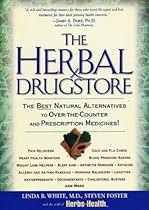 Tomatoes are very high in ly-copene, an antioxidant pigment similar to beta-carotene, but much more potent, at least where the prostate is concerned. The lycopene in fresh tomatoes does not appear to be absorbed very well, but cooking increases its absorbability, especially when it is combined with oil. Particularly good dietary sources of lycopene include organic catsup and organic tomato paste. Lycopene is also available in tablet form. Typical dosage: 10 to 30 milligrams per day. Tomatoes are very high in ly-copene, an antioxidant pigment similar to beta-carotene, but much more potent, at least where the prostate is concerned. The lycopene in fresh tomatoes does not appear to be absorbed very well, but cooking increases its absorbability, especially when it is combined with oil. Particularly good dietary sources of lycopene include organic catsup and organic tomato paste. Lycopene is also available in tablet form. Typical dosage: 10 to 30 milligrams per day. |
J. E. Williams, O.M.D.
See book keywords and concepts | | Besides beta-carotene, other carotenoids are also important in disease prevention. These include alpha-carotene, gamma-carotene, beta-zeacarotene, cryptoxanthine, zeaxanthine, lutein, and lycopene. The red color in tomatoes and watermelon is due to pigmentation from lycopene, which has been shown to reduce the risk of prostate cancer. Lutein, found in cool-weather, green, leafy vegetables like kale, collards, peas, and romaine lettuce, may help to prevent macular degeneration in the eyes. |
Judith Wills
See book keywords and concepts | | ANTIOXIDANTS
The vitamins C, E, and beta-carotene, along with the mineral selenium, and many of the phytochemicals discussed later, are antioxidants, which protect our bodies against the damaging effects of an excess of substances called "free radicals."
Everyone produces free radicals in the process of creating energy and this is quite normal. However, excess may be produced by various factors, such as stress, tobacco smoking, pollution, sunlight, radiation, illness, and so on. |
Robert Hass, M.S.
See book keywords and concepts | | Coenzyme Q10 inhibits LDL-cholesterol oxidation more efficiently than either lycopene, beta-carotene, or vitamin E. Studies have shown that coenzyme Q10:
• Significantly reduces hospitalization times and the incidence of serious complications in patients with chronic congestive heart failure. |
Michael T. Murray, N.D.
See book keywords and concepts | 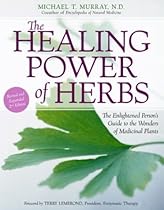 Large-scale studies with vitamin E, vitamin C, and beta-carotene have shown that these antioxidants are capable of significantly reducing the risk of dying of a heart attack or a stroke. For example, one study of 87,245 nurses discovered that nurses who took 100 international units (IU) of vitamin E daily for more than 2 years had a 41 percent lower risk of heart disease compared to nonusers of vitamin E supplements. Large-scale studies with vitamin E, vitamin C, and beta-carotene have shown that these antioxidants are capable of significantly reducing the risk of dying of a heart attack or a stroke. For example, one study of 87,245 nurses discovered that nurses who took 100 international units (IU) of vitamin E daily for more than 2 years had a 41 percent lower risk of heart disease compared to nonusers of vitamin E supplements. |
page 17 of 28 | Next ->
FAIR USE NOTICE: The research quoted here is provided under the protection of Fair Use provisions and published by the 501(c)3 non-profit Consumer Wellness Center for the purposes of public comment and education. Authors / publishers may submit books for consideration of inclusion here.
TERMS OF USE: Read full terms of use. Citations of text from NaturalPedia must include: 1) Full credit to the original author and book title. 2) Secondary credit to the Natural News Naturalpedia as a research resource and a link to www.NaturalNews.com/np/index.html
This unique compilation of research is copyright (c) 2008 by the non-profit Consumer Wellness Center.
ABOUT THE CREATOR OF NATURALPEDIA: Mike Adams, the creator of this NaturalNews Naturalpedia, is the editor of NaturalNews.com, the internet's top natural health news site, creator of the Honest Food Guide (www.HonestFoodGuide.org), a free downloadable consumer food guide based on natural health principles, author of Grocery Warning, The 7 Laws of Nutrition, Natural Health Solutions, and many other books available at www.TruthPublishing.com, creator of the earth-friendly EcoLEDs company (www.EcoLEDs.com) that manufactures energy-efficient LED lighting products, founder of Arial Software (www.ArialSoftware.com), a permission e-mail technology company, creator of the CounterThink Cartoon series (www.NaturalNews.com/index-cartoons.html) and author of over 1,500 articles, interviews, special reports and reference guides available at www.NaturalNews.com. Adams' personal philosophy and health statistics are available at www.HealthRanger.org.
|
 |
Refine your search
with Beta-carotene...
...and Nutrients:...and Vitamin
...and Vitamin A
...and Vitamin C
...and Vitamin E
...and Antioxidant
...and Carotenoids
...and Antioxidants
...and Zinc
...and Calcium
...and Selenium
...and Concepts:...and Study
...and Risk
...and Studies
...and Supplementation
...and Damage
...and Sources
...and Research
...and Activity
...and Group
...and Source
...and Foods and Beverages:...and Fruit
...and Vegetables
...and Carrots
...and Fruits
...and Fruits and vegetables
...and Spinach
...and Juice
...and Broccoli
...and Greens
...and Squash
...and Key Health Concepts:...and Foods
...and Nutrients
...and Supplements
...and Diet
...and Disease
...and Health
...and Phytochemicals
...and Treatment
...and Supplement
...and Prevention
...and Anatomy:...and Body
...and Cells
...and Skin
...and Blood
...and Liver
...and Lung
...and Heart
...and Immune system
...and Tissue
...and Colon
...and Physiology:...and Levels
...and Effects
...and Effect
...and Intake
...and Immune
...and Helps
...and Prevent
...and Increase
...and Protective
...and Function
...and Objects:...and Seed
...and People
...and Plant
...and Vitamins
...and Oil
...and Journal
...and University
...and Diets
...and Review
...and Produce
...and Health Conditions and Diseases:...and Cancer
...and Lung cancer
...and Heart disease
...and Cancers
...and Tumors
...and Cataracts
...and Diabetes
...and Infection
...and Inflammation
...and Aids
...and Adjectives:...and International
...and Dietary
...and Green
...and Free
...and Natural
...and Yellow
...and Orange
...and Healthy
...and Supplemental
...and Normal
...and Substances:...and Acid
...and Food
...and Water
...and Oxygen
...and Acids
...and Extract
...and Lead
...and Bacteria
...and Light
...and Radiation
...and Who:...and Patients
...and Women
...and Men
...and Smokers
...and Human
...and Children
...and Family
...and Animals
...and Doctors
...and Male
...and Actions:...and Taking
...and Eat
...and Eating
...and Growth
...and Avoid
...and Smoking
...and Cooking
...and Preventing
...and March
...and Protects
...and Medical Terms:...and Results
...and Doses
...and Serum
...and Dose
...and Properties
...and Dosage
...and Placebo
...and Gene
...and Dosages
...and Double-blind
...and Macronutrients:...and Fiber
...and Protein
...and Seeds
...and Minerals
...and Mineral
...and Enzymes
...and Calories
...and Oils
...and Carbohydrates
...and Fatty acids
...and Plants and Herbs:...and Leaf
...and Root
...and Leaves
...and Flower
...and Garlic
...and Tobacco
...and Echinacea
...and Roots
...and Grass
...and Pepper
...and Medical Adjectives:...and Oral
...and Cervical
...and In vitro
...and Intestinal
...and Acute
...and Therapeutic
...and Gastric
...and Cellular
...and Digestive
...and Placebo-controlled
...and Animals:...and Rats
...and Mice
...and Cat
...and Dogs
...and Turkey
...and Worms
...and Cows
...and Insects
...and Insect
...and Cats
...and Chemicals:...and Free radicals
...and Aluminum
...and Caffeine
...and Carcinogens
...and Chlorine
...and Pesticides
...and Nicotine
...and Ethanol
...and Fragrance
...and Mercury
...and When:...and April
...and December
...and September
...and October
...and February
...and Winter
...and August
...and July
...and Summer
...and Spring
...and Biological Functions:...and Vision
...and Period
...and Metabolism
...and Digestion
...and Concentration
...and Attention
...and Strength
...and Weight loss
...and Memory
...and Breath
...and Where:...and United states
...and New york
...and Boston
...and Harvard
...and Germany
...and California
...and Berlin
...and India
...and Chinese
...and China
...and Hormones and Biochemistry:...and Lipids
...and Estrogen
...and Hormones
...and Methionine
...and Insulin
...and Homocysteine
...and Stomach acid
...and Estrogens
...and Neurotransmitter
...and Histamine
...and Properties:...and Oxidation
...and Anti-inflammatory
...and Relieves
...and Antifungal
...and Antiseptic
...and Antimicrobial
...and Expectorant
...and Relieving
...and Calming
...and Aphrodisiac
...and Biological Measures:...and Blood pressure
...and Blood levels
...and Triglycerides
...and Blood cholesterol
...and Body weight
...and Blood sugar levels
...and Blood glucose
...and Heart rate
...and Height
...and Ingredients:...and Sodium
...and Fructose
...and Food additives
...and Preservatives
...and Lactose
...and Msg
...and Aspartame
...and Drugs:...and Tablets
...and Antibiotics
...and Diuretic
...and Chemotherapy
...and Antibiotic
...and Laxative
...and Aspirin
...and Sedative
...and Diuretics
...and Steroids
...and Supplements:...and Spirulina
...and Coenzyme q10
...and Flaxseed oil
...and Fish oil
...and Glucosamine
...and Lactobacillus
...and Organizations:...and National cancer institute
...and School of medicine
...and Lancet
...and Health food stores
...and Medical school
...and Medical center
...and Usda
...and Clinic
...and Establishment
...and Manufacturers
...and Treatment Modalities:...and Detoxification
...and Cleanse
...and Fasting
...and Acupuncture
...and Massage
...and Ayurvedic
...and Aerobic exercise
...and Chinese medicine
...and Biofeedback
...and Relaxation
|
Related Concepts:
Vitamin
Vitamin A
Cancer
Fruit
Study
Acid
Vitamin C
Levels
Vitamin E
Body
Risk
Antioxidant
Foods
Seed
Nutrients
Vegetables
Cells
Supplements
Effects
Carotenoids
People
Studies
International
Antioxidants
Diet
Skin
Zinc
Calcium
Plant
Vitamins
Supplementation
Carrots
Results
Effect
Selenium
Patients
Disease
Lycopene
Oral
Women
Fiber
Blood
Damage
Liver
Taking
Leaf
Free radicals
Sources
Food
Fruits
Eat
Intake
Men
Fruits and vegetables
Lung
Root
Dietary
Potassium
Lung cancer
Green
Doses
Iron
Immune
Magnesium
Oil
Free
Heart
Helps
Research
Health
Prevent
Phytochemicals
Increase
Treatment
Water
Natural
Heart disease
Rats
Yellow
Activity
Spinach
Journal
Protein
Serum
Group
Orange
Source
Mice
Immune system
Cancers
Supplement
Smokers
Lutein
Human
Healthy
Manganese
Supplemental
Juice
Protective
Combination
|









 Email this page to a friend